
Advanced Jaw Surgery
(Orthognathic Surgery)
Restore facial harmony, correct bite abnormalities, and improve breathing functionality. Led by Dr. Suresh, utilizing 3D Virtual Surgical Planning for unparalleled precision in complex maxillofacial reconstructions.

The Standard of Care in Maxillofacial Surgery
We combine academic expertise with cutting-edge technology to deliver predictable, transformative outcomes for complex facial deformities.
3D Virtual Planning
Every procedure is meticulously mapped in a digital environment before surgery, allowing for customized 3D-printed splints and microscopic precision.
Hospital-Based Care
Procedures are performed at CARE Hospitals, ensuring access to advanced ICUs, specialized anesthesiologists, and comprehensive multi-disciplinary support.
Complex Correction
Expertise in managing severe skeletal discrepancies, congenital deformities, and secondary corrections that require advanced osteotomy techniques.
Recognizing the Need for Intervention
Orthognathic surgery is not merely cosmetic; it addresses fundamental structural issues that impact daily function and long-term health.
View Diagnostic Criteria arrow_forwardFunctional Deficits
Difficulty chewing, biting, or swallowing due to severe malocclusion.
Airway Obstruction
Obstructive Sleep Apnea (OSA), chronic mouth breathing, or snoring.
Skeletal Imbalance
Receding chin (retrognathia), protruding jaw (prognathia), or facial asymmetry.
Chronic Pain
Temporomandibular Joint (TMJ) pain, chronic headaches, or jaw clicking.
The Surgical Journey: Our Clinical Protocol
A meticulous, step-by-step approach to ensure optimal outcomes and patient comfort throughout the surgical process.
Pre-Surgical Planning
Our protocol begins with comprehensive 3D Virtual Surgical Planning (VSP). Using advanced imaging, our surgeons map out the precise surgical approach on a digital model of your skull before stepping into the operating room. This is accompanied by a detailed patient orientation session to ensure you are fully prepared and informed.
- check_circle Virtual Surgical Planning (VSP)
- check_circle Comprehensive Medical Clearance
- check_circle Pre-operative Anesthesia Consult


The Procedure
Performed in the state-of-the-art surgical suites at CARE Hospitals, our specialized approach prioritizes precise execution of planned osteotomies. Our team adheres to strict international clinical standards for safety and efficacy throughout the complex reconstruction.
- check_circle Tertiary Care Hospital Setting
- check_circle Advanced Anesthesia Protocols
- check_circle Specialized ICU Support
Post-Operative Recovery
Immediately following surgery, you will enter a closely monitored recovery phase. Our dedicated team manages pain, ensures structural stability, and guides you through the initial healing milestones. We provide a comprehensive post-operative care plan to facilitate a smooth return to function.
- check_circle 24/7 Monitored Recovery
- check_circle Personalized Pain Management
- check_circle Dietary and Nutritional Guidance

Comprehensive Treatment Pathways
We believe in a progressive, multi-disciplinary approach to jaw correction, often working closely with orthodontists.
Pre & Post-Surgical Orthodontics
-
Pre-Surgical Alignment
Orthodontic treatment to align the teeth over the underlying bone in preparation for surgical repositioning. This typically involves leveling the arches, coordinating tooth widths, and eliminating crowding or spacing to ensure the surgical segments fit together precisely.
Duration: 12–18 months on average
-
Post-Surgical Detailing
Fine-tuning the bite after the jaws have healed in their new, correct positions. This phase ensures intercuspal seating—the perfect contact between upper and lower teeth—with ideal overbite and overjet relationships.
Duration: 6–12 months depending on complexity
-
Arch Coordination
Ensuring the upper and lower dental arches are properly aligned in width and form. This prevents crossbite tendencies post-surgery and ensures smooth chewing function.
-
Debonding & Retention
Once alignment is finalized, braces are removed and retainers are fitted to maintain the new bite. Custom Hawley or clear retainers help preserve stability as the bone continues to remodel.
Surgical Interventions
-
Maxillary Osteotomy (Upper Jaw)
Correction of crossbites, open bites, or upper jaws that recede or protrude significantly.
-
Mandibular Osteotomy (Lower Jaw)
Surgical repositioning of the lower jaw to correct receding or protruding jawlines.
-
Bimaxillary Surgery
Simultaneous correction of both the upper and lower jaws for complex functional and aesthetic issues.
-
Genioplasty (Chin Surgery)
Reshaping or repositioning the chin, often performed in conjunction with other jaw surgeries to enhance facial balance.
-
SARPE
Surgically Assisted Rapid Palatal Expansion to correct severe transverse maxillary deficiency.
Comprehensive Recovery Timeline
What to expect during your healing journey following orthognathic surgical intervention.
Days 1-7
Initial HealingFocus on rest, managing inflammation, and strictly adhering to a non-chew liquid diet. Swelling is expected to peak around day 3.
- Liquid diet strictly enforced
- Prescription pain management
- Ice therapy for swelling
Weeks 2-6
Functional ReturnGradual transition to a soft "no-chew" diet. Continued swelling reduction and monitoring of bone healing.
- Transition to soft foods (pasta, scrambled eggs)
- Gentle jaw exercises if prescribed
- Return to light activities
3 Months+
Long-term SuccessSignificant improvement in jaw function. Patients can typically return to a normal diet, though extremely hard or chewy foods should still be approached with caution initially.
- Return to near-normal diet
- Completion of post-surgical orthodontics
- Final facial contour realized
Expert Surgical Team
Decades of specialized experience in managing complex maxillofacial conditions.

Dr. Suresh
Senior Consultant and TMJ Specialist
Senior Consultant and TMJ Specialist with 20+ years of dedicated clinical experience.
- verified 20+ Years of Experience
- school MDS Oral & Maxillofacial Surgery
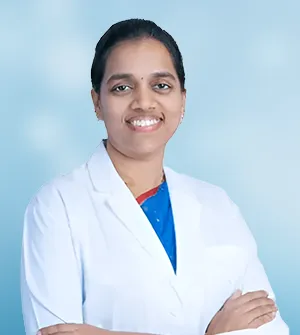
Dr. Navatha Mortha
Senior Consultant and TMJ Specialist
Senior Consultant and TMJ Specialist with 15+ years of dedicated clinical experience.
- verified 15+ Years of Experience
- school MDS Oral & Maxillofacial Surgery
Preparing for Your Consultation
To make the most of your initial evaluation with our specialists, we recommend preparing the following information. This helps us understand the full clinical picture.
-
medical_information
Imaging & Records Bring any previous X-rays, CBCT scans, or clinical notes from your orthodontist.
-
list_alt
Symptom Diary Note any specific functional difficulties, breathing issues, or pain related to your jaw.
-
medication
Current Medications A complete list of all medications and supplements you are currently taking.
Frequently Asked Questions
Common concerns about jaw surgery and recovery.
Will I experience a lot of pain after surgery? expand_more
How long is the hospital stay? expand_more
How long will my jaw be wired shut? expand_more
What can I eat during recovery? expand_more
Is jaw surgery covered by insurance? expand_more
Ready to Restore Your Jaw Function?
Take the first step toward improved function and facial harmony. Schedule a comprehensive evaluation with our specialists.