.png)


Oral cancer does not always spread overnight, but it can progress faster than many patients expect, especially when early warning signs are ignored. The disease often begins as a small lesion or patch inside the mouth and silently advances into deeper tissues and nearby lymph nodes. By the time severe pain or visible swelling appears, the cancer may already be in an advanced stage. According to the World Health Organization, delayed detection is one of the most critical reasons oral cancers are diagnosed at aggressive stages, making control far more difficult.

How Quickly Can Oral Cancer Spread?
The speed at which oral cancer spreads depends on several biological and behavioral factors. Some tumors grow slowly at first but become aggressive if left untreated. Others may spread rapidly to nearby tissues, lymph nodes, and even distant organs such as the lungs. The danger lies in the silent progression during early stages, when symptoms are mild or painless.
Doctors emphasize that what appears to be a minor mouth ulcer or white patch may already be undergoing malignant transformation. Ignoring such signs allows abnormal cells to multiply, increasing the risk of faster regional and systemic spread.
Why Oral Cancer Can Progress Faster Than Expected
Several underlying reasons explain why oral cancer can spread quickly in certain individuals:
- Continuous exposure to tobacco and alcohol that accelerates cellular damage
- Chronic irritation from sharp teeth, rough fillings, or dentures
- Weak immune response that fails to suppress abnormal cell growth
- Delay in seeking medical evaluation for persistent oral lesions
- Presence of aggressive tumor biology or genetic mutations
These factors combine to create an environment where cancer cells can invade surrounding tissues more rapidly.
Early Spread: From Mouth Lesions to Nearby Tissues
In the initial phase, oral cancer usually spreads locally. It may invade the tongue, inner cheeks, gums, or floor of the mouth. Because these areas are closely connected, even a small untreated lesion can expand into surrounding tissues within months.
Common early signs of local spread include:
- Persistent mouth ulcers that enlarge over time
- Thickened patches or rough areas inside the mouth
- Gradual swelling or stiffness in oral tissues
- Increasing discomfort while chewing or speaking
Such symptoms are often dismissed as minor infections, allowing the disease to progress without resistance.
Lymph Node Involvement: A Sign of Faster Progression
Once oral cancer reaches nearby lymph nodes in the neck, the disease is considered more advanced. Lymphatic spread indicates that cancer cells are no longer confined to the original site and can travel through the body.
The Indian Council of Medical Research has reported that many patients in India present with lymph node involvement due to delayed diagnosis and ongoing tobacco exposure, which contributes to faster disease progression.
Signs suggesting lymph node spread may include:
- Swelling or lumps in the neck
- Persistent throat discomfort
- Difficulty swallowing or speaking
- Unexplained weight loss and fatigue
These symptoms often appear after the disease has already progressed significantly.
Distant Metastasis: When Oral Cancer Becomes Life-Threatening
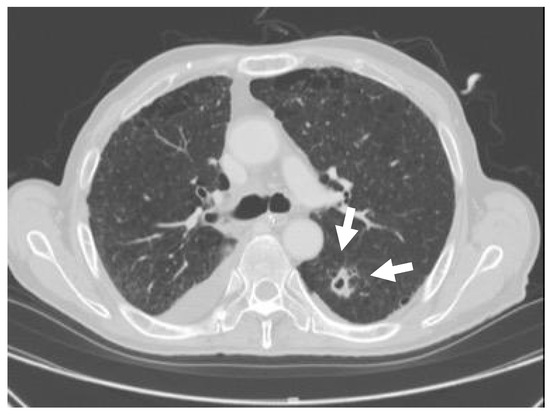
If oral cancer continues unchecked, it may metastasize to distant organs such as the lungs, bones, or liver. At this stage, treatment becomes complex and survival outcomes worsen. Metastatic spread usually occurs when early symptoms are ignored for long periods or when the tumor is biologically aggressive.
Metastasis is not always rapid, but once it begins, controlling the disease becomes far more challenging. This is why early detection remains the most critical factor in preventing rapid systemic spread.
Misconceptions That Delay Timely Diagnosis
Many dangerous assumptions contribute to faster oral cancer progression:
- Believing painless mouth ulcers are harmless
- Assuming white or red patches will heal on their own
- Self-medicating recurring oral sores without examination
- Avoiding dental visits until severe pain develops
- Continuing tobacco or alcohol use despite warning signs
These behaviors allow abnormal lesions to grow unchecked, increasing the likelihood of rapid spread.
Factors That Influence How Fast Oral Cancer Spreads
Not every oral cancer progresses at the same rate. Several medical and lifestyle factors influence the speed of spread:
- Size and depth of the original tumor
- Type and aggressiveness of cancer cells
- Immune system strength and overall health
- Continued exposure to carcinogens like tobacco
- Delay in diagnosis and treatment initiation
Even a slow-growing tumor can become aggressive if ignored for months or years.
Consequences of Rapid Oral Cancer Spread
When oral cancer spreads quickly, treatment becomes more invasive and outcomes less predictable. Patients may require extensive surgery, radiation therapy, or chemotherapy, each associated with significant long-term complications.
Potential consequences include:
- Permanent difficulty in speaking and swallowing
- Facial deformity after tumor removal
- Chronic pain and nutritional challenges
- Higher risk of recurrence and reduced survival
These complications highlight the importance of recognizing early symptoms before the disease accelerates.
FAQs
Does oral cancer always spread quickly?
Not always. Some cases progress slowly, but delayed detection can allow even slow tumors to spread aggressively over time.
What is the earliest stage of oral cancer spread?
Local invasion into nearby tissues of the mouth is usually the first stage of spread.
How can doctors tell if oral cancer has spread?
Clinical examination, imaging scans, and biopsy help determine whether cancer has reached lymph nodes or distant organs.
Does tobacco use make oral cancer spread faster?
Yes. Continued exposure to tobacco irritates tissues and promotes faster malignant cell growth.
Can early treatment stop oral cancer from spreading?
Early intervention significantly reduces the risk of regional and distant spread, though recurrence is still possible.
Conclusion
Oral cancer does not always spread instantly, but it can progress rapidly when early warning signs are ignored. Minor lesions, persistent ulcers, or tissue discoloration may seem harmless but can silently evolve into invasive disease. Key points doctors emphasize include:
- Persistent oral lesions should never be ignored
- Lymph node swelling may indicate faster progression
- Continued tobacco or alcohol use accelerates spread
- Delayed diagnosis increases risk of metastasis
- Early evaluation is essential to limit aggressive disease
Failure to recognize and act on early symptoms can allow oral cancer to spread beyond the mouth, making treatment more complex and outcomes more severe. Understanding the realities of disease progression is crucial to preventing rapid and life-threatening advancement.