.png)


Oral cancer survival is not determined by a single number. It varies widely depending on how early the disease is detected, how aggressively it spreads, and how the body responds to treatment. Unfortunately, many cases are diagnosed late, when survival chances have already declined significantly. According to the World Health Organization, delayed diagnosis remains a major contributor to poor oral cancer outcomes worldwide. Understanding realistic survival facts is essential because ignoring early symptoms can drastically shorten life expectancy.
Why Survival Depends on the Stage of Detection
The stage at which oral cancer is diagnosed plays the most critical role in determining how long a person may live with the disease. Early-stage cancers confined to small areas of the mouth are more manageable. However, once the tumor invades deeper tissues, lymph nodes, or distant organs, survival rates decline sharply.
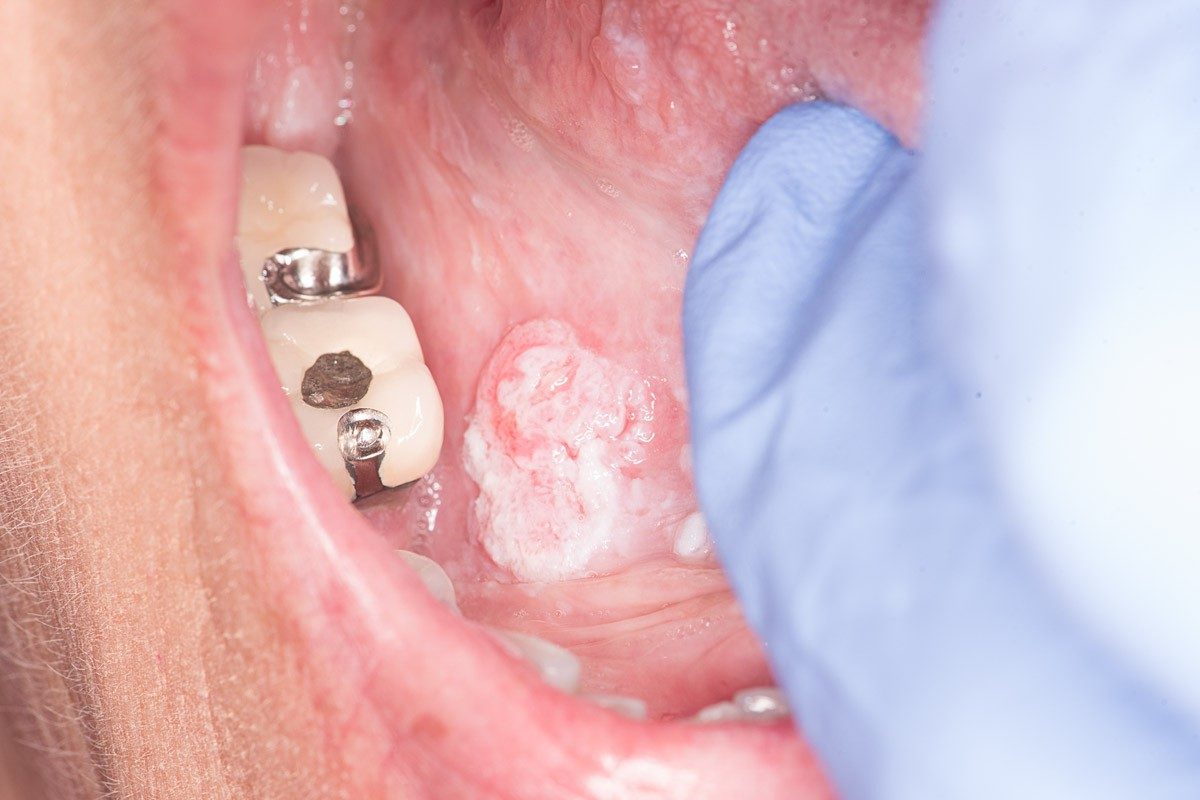
Many patients ignore persistent mouth ulcers, red or white patches, and unexplained lumps, assuming they are harmless. This delay allows abnormal cells to grow silently. By the time severe symptoms such as difficulty swallowing or chronic pain appear, the disease may already be advanced.
Survival Outlook by Oral Cancer Stages
Early Stage (Stage I–II)
When oral cancer is detected early, survival chances improve significantly. Treatment may involve localized surgery or targeted therapy. However, even early detection does not guarantee complete recovery, as recurrence remains a risk.
Advanced Stage (Stage III–IV)
In advanced stages, cancer may spread to lymph nodes or nearby tissues. At this point, treatment becomes aggressive, often requiring extensive surgery, radiation, and chemotherapy. These treatments can prolong survival but may cause long-term functional complications.
Metastatic Stage
If oral cancer spreads to distant organs such as the lungs or bones, it becomes life-threatening. Survival duration may become limited, and treatment often focuses on controlling symptoms rather than curing the disease.
The Indian Council of Medical Research reports that late-stage presentation is common in India due to tobacco use and delayed medical consultation, which significantly affects survival outcomes.
Factors That Influence How Long You Can Live With Oral Cancer
Survival is influenced by multiple medical and lifestyle factors, including:
- Stage of cancer at diagnosis
- Tumor size and depth of invasion
- Spread to lymph nodes or distant organs
- Continued tobacco or alcohol use after diagnosis
- Overall immunity and nutritional status
- Response to surgery, radiation, or chemotherapy
Ignoring medical advice or continuing harmful habits can shorten survival time even after treatment begins.
The Harsh Reality of Late Diagnosis
Late detection often leads to extensive tissue removal, facial disfigurement, and permanent difficulty in speaking or swallowing. In many cases, aggressive treatments may extend life but significantly reduce quality of life. Patients may experience chronic pain, nutritional challenges, and psychological distress due to visible physical changes.
These consequences highlight why early oral cancer detection and timely intervention are essential for improving survival duration.
Recurrence and Its Impact on Life Expectancy
Even after initial treatment, oral cancer can return. Recurrence may occur locally in the mouth or spread to other regions of the body. Recurrent cancers are often more difficult to treat and may shorten life expectancy further.
Common causes of recurrence include:
- Incomplete removal of cancerous tissue
- Continued tobacco or alcohol exposure
- Ignoring follow-up screenings
- Delayed reporting of new oral symptoms
Failure to monitor recurring signs can allow the disease to progress again, reducing long-term survival chances.
Symptoms That May Indicate Disease Progression
Certain symptoms suggest that oral cancer may be advancing, including:
- Persistent or worsening mouth pain
- Enlarging lumps in the neck or jaw
- Difficulty opening the mouth or chewing
- Sudden weight loss and fatigue
- Persistent bleeding or non-healing sores
These warning signs should never be ignored, as they may indicate aggressive disease progression.
Emotional and Physical Burden During Survival
Living with oral cancer often involves more than medical treatment. Patients may face emotional stress, anxiety about recurrence, and social withdrawal due to changes in facial appearance or speech ability. Long-term survival may come with chronic health challenges rather than full recovery.
These realities make oral cancer not only a life-threatening disease but also a condition that significantly impacts overall well-being even during prolonged survival.
FAQs
1. How long can someone live after being diagnosed with oral cancer?
Survival varies widely. Early detection may allow long-term survival, while advanced or metastatic cancer can significantly reduce life expectancy.
2. Does early detection increase survival chances?
Yes. Detecting oral cancer in early stages improves treatment effectiveness and may prolong survival compared to late-stage diagnosis.
3. Can oral cancer be cured completely?
Some early-stage cases may be treated successfully, but recurrence remains possible, and long-term monitoring is necessary.
4. What reduces survival chances in oral cancer patients?
Late diagnosis, continued tobacco use, metastasis, and poor response to treatment can reduce survival duration.
5. Is survival only about years lived after diagnosis?
No. Survival also includes quality of life, functional ability, and freedom from recurrence, which may be compromised in advanced cases.
Conclusion
The length of survival with oral cancer depends heavily on how early the disease is detected and how effectively risk factors are controlled. Ignoring early warning signs or delaying medical consultation can significantly shorten life expectancy. Key survival facts to remember include:
- Early-stage detection offers better survival outcomes
- Advanced and metastatic stages drastically reduce life expectancy
- Continued tobacco or alcohol use worsens prognosis
- Recurrence remains a long-term threat even after treatment
- Regular follow-up and symptom monitoring are essential
Oral cancer survival is not guaranteed by treatment alone. Delayed diagnosis, disease progression, and recurrence can all limit longevity and quality of life. Understanding these realities emphasizes the importance of early detection and strict lifestyle changes to improve long-term outcomes.