.png)


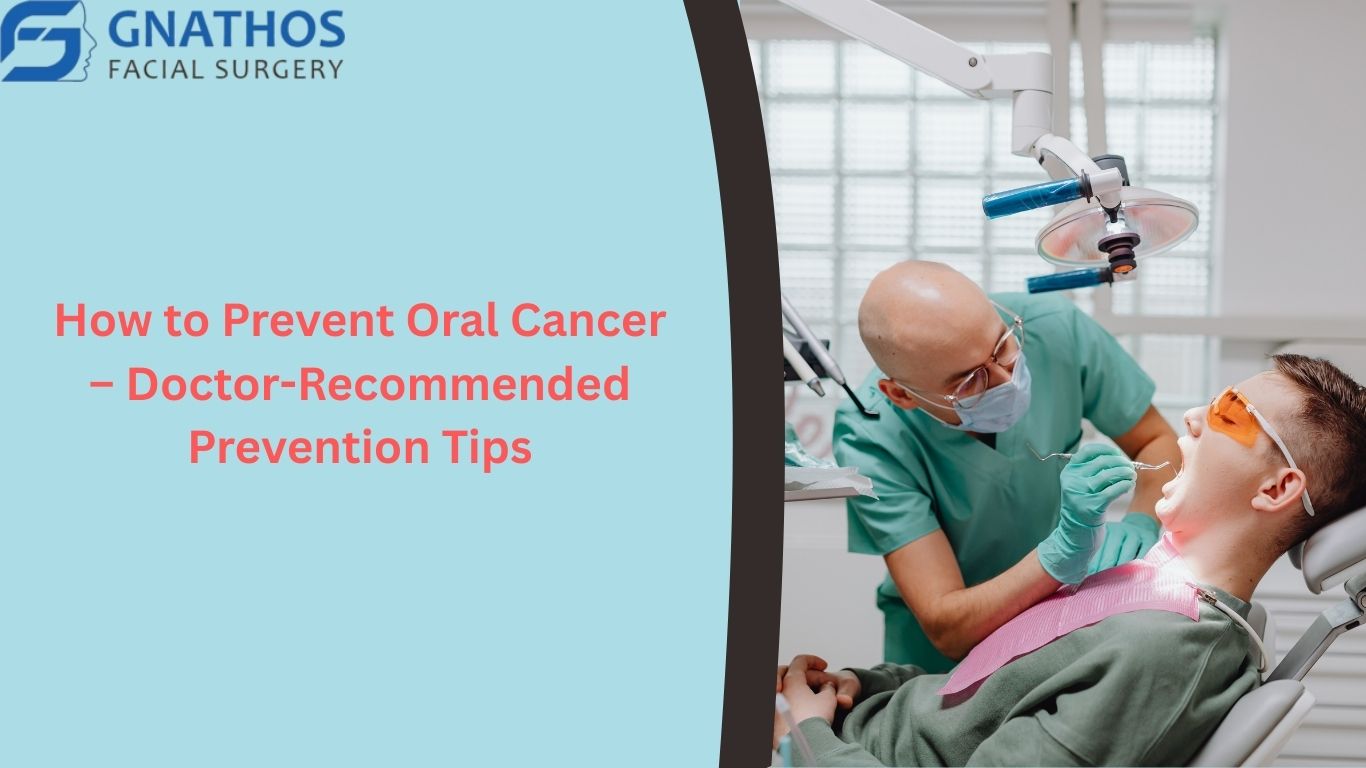
Oral cancer is often detected late, when damage has already progressed beyond simple treatment. Many patients ignore early warning signs, assuming persistent mouth ulcers, patches, or pain will resolve on their own. This delay can allow abnormal cells to spread silently. According to the World Health Organization, oral cancers are strongly linked to preventable lifestyle risks, yet awareness remains low. Prevention is not just about healthy habits; it is about avoiding behaviors that gradually damage oral tissues over years.
Why Prevention Matters More Than Treatment
Oral cancer rarely develops overnight. It usually begins as subtle precancerous changes—white or red patches, chronic irritation, or persistent sores. If ignored, these changes may evolve into invasive cancer requiring aggressive surgery, radiation, or chemotherapy. Even after treatment, patients may face lifelong complications such as difficulty speaking, swallowing problems, and facial disfigurement.
Preventive measures aim to reduce exposure to risk factors that continuously damage oral cells and trigger abnormal growth.
Major Risk Factors That Must Be Eliminated
Ignoring these risk factors significantly increases long-term cancer risk:
- Tobacco chewing and smoking (strongest contributor)
- Excessive alcohol consumption
- Chronic irritation from sharp teeth or ill-fitting dentures
- Persistent HPV infection
- Poor oral hygiene and untreated dental infections
- Nutritional deficiencies, especially low vitamin A and C intake
The Indian Council of Medical Research has repeatedly highlighted tobacco chewing as a major cause of oral cancers in India, especially among younger adults.
Doctor-Recommended Prevention Tips to Reduce Oral Cancer Risk
1. Quit Tobacco in All Forms
Tobacco—whether smoked, chewed, or used as gutkha—exposes the mouth lining to carcinogenic chemicals daily. Over time, this repeated exposure triggers mutations in oral cells. Even occasional use increases risk because damage accumulates silently.
2. Limit Alcohol Consumption Strictly
Alcohol weakens oral tissues and enhances the harmful effects of tobacco‘. When combined, the cancer risk multiplies instead of simply adding up. Chronic drinkers often ignore early mouth irritation, assuming it is temporary.
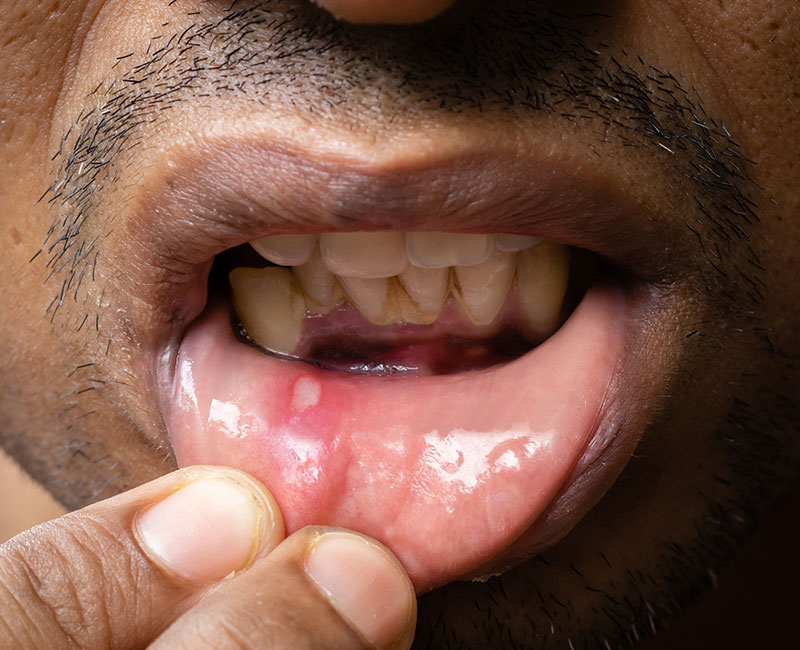
3. Never Ignore Persistent Mouth Ulcers
One of the most overlooked early signs is a mouth ulcer that does not heal within two weeks. This may indicate precancerous changes. Delayed medical evaluation allows abnormal cells to multiply unnoticed.
4. Maintain Strict Oral Hygiene
Poor oral hygiene allows bacterial toxins and chronic inflammation to persist. Continuous inflammation damages mucosal cells and may promote cancerous transformation.
5. Schedule Regular Oral Screening
Routine oral cancer screening helps detect abnormal lesions before they become malignant. Dentists can identify suspicious patches, thickened tissues, or color changes that patients often miss.
6. Correct Chronic Dental Irritation Immediately
Sharp broken teeth, rough fillings, or ill-fitting dentures can repeatedly injure the same spot in the mouth. This constant trauma increases the risk of precancerous lesions over time.
7. Eat a Protective Diet Rich in Antioxidants
Low intake of fruits and vegetables deprives the body of antioxidants that help repair cell damage. A nutrient-deficient diet may worsen the impact of carcinogens on oral tissues.
8. Practice Safe Habits to Reduce HPV Exposure
Certain strains of HPV are associated with oral cancers. Safe practices and vaccination awareness can lower the long-term risk of virus-related oral malignancies.
Warning Signs That Should Never Be Ignored
Recognizing early symptoms is a key preventive step. Watch for:
- White or red patches inside the mouth
- Unexplained bleeding in the oral cavity
- Thickened tissues or lumps on the tongue or cheek
- Persistent sore throat or hoarseness
- Difficulty swallowing without clear cause
- Numbness or unexplained pain in the mouth or jaw
Ignoring these symptoms may allow the disease to progress silently until advanced stages.
Lifestyle Mistakes That Undermine Prevention
Even individuals who avoid smoking may unknowingly increase risk through:
- Frequent consumption of extremely hot beverages
- Poor hydration leading to chronic dry mouth
- Ignoring routine dental checkups
- Self-medicating recurring mouth lesions
- Continuing tobacco use after early oral lesions appear
These habits create ongoing irritation and delay timely diagnosis.
FAQs
Can oral cancer be completely prevented?
Not entirely. However, eliminating tobacco, limiting alcohol, and maintaining oral hygiene significantly reduce risk and slow harmful cellular changes.
Are painless mouth patches dangerous?
Yes. Many precancerous lesions are painless, which is why they are often ignored until they worsen.
How often should oral cancer screening be done?
Adults with risk factors should undergo screening at least once a year, or more frequently if symptoms appear.
Does quitting tobacco reverse cancer risk immediately?
No. Damage may persist for years, though risk gradually decreases after cessation.
Are young people at risk of oral cancer?
Yes. Rising tobacco chewing and HPV exposure have increased cases among younger populations.
Conclusion
Oral cancer prevention requires consistent and disciplined lifestyle choices. Ignoring early warning signs or continuing harmful habits allows gradual tissue damage that may become irreversible. Key preventive actions include:
- Eliminating tobacco and limiting alcohol strictly
- Seeking evaluation for non-healing mouth ulcers
- Maintaining proper oral hygiene and dental care
- Following a nutrient-rich diet to support tissue repair
- Undergoing routine oral cancer screenings
Failure to adopt these measures can allow minor oral abnormalities to evolve into life-threatening malignancies. Prevention is not a one-time effort; it is a long-term commitment to reducing daily exposure to known carcinogenic risks.