.png)


Biting into a sandwich, laughing in photos, or even letting your jaw rest can feel tiring when the teeth don’t meet properly. For many people, this isn’t just a cosmetic issue. It brings jaw pain, headaches, chewing trouble, and constant self‑consciousness. That is often when the idea of jaw correction surgery in Hyderabad first appears.
Orthognathic (jaw correction) surgery repositions the upper jaw, the lower jaw, or both so the teeth, muscles, and facial bones work together. It can ease chewing, speech, and breathing problems while bringing better balance to the face. When braces alone can’t correct a severe overbite, underbite, crossbite, or facial asymmetry, surgery may be the most reliable way to long‑term relief.
This guide explains who may need jaw correction surgery in Hyderabad, how the procedure works, recovery timelines, cost ranges in Hyderabad and India, and how to choose the right maxillofacial surgeon in Hyderabad. At Gnathos Face Surgery, the team uses careful planning and modern tools to help patients regain a comfortable bite, calmer jaw joints, and quiet confidence in the mirror.
Key Takeaways
- Jaw correction surgery (orthognathic surgery) corrects jaw misalignment that braces alone cannot fix. It can improve chewing, breathing, and speech and often softens or balances facial features. Many people also notice fewer headaches and less jaw strain after healing.
- Ideal candidates are people with completed jaw growth who live with severe bite problems, TMJ pain, facial asymmetry, or airway issues such as snoring and sleep apnea. A detailed evaluation with 3D scans and bite analysis helps confirm whether jaw alignment surgery is needed or if simpler options are enough.
- Recovery has phases: about six weeks for early bone healing and a total treatment time of around 18–24 months including braces. Costs for jaw surgery in Hyderabad usually start near ₹60,000 and can cross ₹2,00,000 for complex double‑jaw or combination procedures. Choosing an experienced team such as Gnathos Face Surgery is important for safety, comfort, and stable results.
What Is Jaw Correction Surgery (Orthognathic Surgery)?
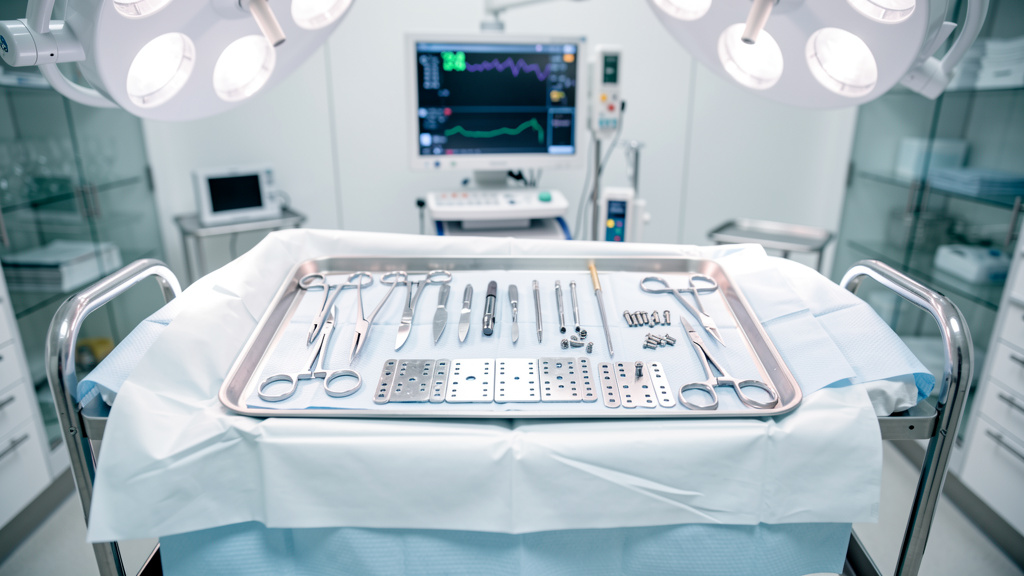
Jaw correction surgery, or orthognathic surgery, is a planned operation that changes the position of the upper jaw, lower jaw, or both. It is performed by oral and maxillofacial surgeons in Hyderabad and other cities who are trained to work with the jaws, facial bones, and mouth. The goal is to move the jaws into a healthier position so the teeth meet properly and facial features line up more naturally.
This surgery has two main aims:
- Functional: It helps people chew food without strain, speak more clearly, breathe more freely, and protect teeth from abnormal wear.
- Aesthetic: By improving jaw position, the face often appears more balanced, with a stronger or softer chin, a better profile, and a smoother smile line.
Braces move teeth but cannot correct a jaw bone that is too far forward, too far back, too narrow, or too long. Orthognathic surgery in Hyderabad addresses the bone structure itself. During the operation, the surgeon makes cuts in the jaw bones inside the mouth, repositions them, and secures them with tiny titanium plates and screws. These fixtures are biocompatible and stay hidden inside the bone.
At Gnathos Face Surgery, digital scans and planning software map each millimetre of movement before a single cut is made. Surgery takes place under general anesthesia in a hospital, with a skilled team watching the airway, comfort, and safety at every step.
Who Needs Jaw Correction Surgery? Signs And Symptoms
Not everyone with slightly crooked teeth needs jaw correction surgery in Hyderabad. Many mild issues improve with braces or clear aligners alone. Surgery is more suitable when the basic shape or position of the jaws causes long‑term difficulty in daily life.
Age is important because the jaws should be fully grown before surgery. For most girls this is around 14–16 years, and for most boys about 17–21 years. Healthy adults well into their forties or fifties can still be good candidates as long as general health and bone quality are sound.
Common signs that jaw realignment surgery may be needed include:
- Bite and chewing problems: Chewing and swallowing feel tiring, food often gets trapped, or needs to be cut into tiny pieces.
- Speech changes: Certain sounds are hard to pronounce because the tongue and lips cannot reach the right positions.
- Jaw and TMJ symptoms: Chronic jaw pain, clicking or locking of the joint, headaches, or muscle fatigue around the cheeks and temples.
- Breathing issues: Snoring, chronic mouth breathing, or obstructive sleep apnea due to a small lower jaw or narrow upper jaw.
- Tooth and gum wear: Excessive wear, chipping, spacing, or gum problems because teeth do not meet evenly.
- Facial appearance: Noticeable overbite, underbite, open bite, crossbite, facial asymmetry, a very prominent or weak chin, or a gummy smile with a lot of gum showing.
At Gnathos Face Surgery, patients with several of these symptoms receive a full diagnostic workup. This includes photographs, 3D scans, bite models, and TMJ checks. Only after this careful review does the team recommend jaw correction surgery in Hyderabad or other options such as TMJ arthroscopy, splints, or orthodontics alone.
Common Types Of Jaw Deformities And Their Surgical Solutions
Jaw problems appear in different patterns, and each pattern calls for a specific surgical approach. Understanding these types helps patients see why a surgeon suggests a particular plan.
Skeletal Class II Malocclusion (Receding Lower Jaw)
In a skeletal Class II pattern, the lower jaw is smaller or set farther back than the upper jaw. This gives the face a rounded look and often creates a deep overbite, where the upper front teeth cover much of the lower teeth. The chin may appear weak, and the lips may not close easily without effort.
The main treatment is mandibular advancement surgery. The surgeon moves the lower jaw forward and secures it with titanium plates and screws in its new position. After healing, the upper and lower teeth meet more evenly, chewing becomes easier, and strain on the TMJ often reduces. At Gnathos, digital planning helps decide exactly how far the lower jaw should move to balance both function and facial profile.
Skeletal Class III Malocclusion (Protruding Lower Jaw)
Skeletal Class III usually means the lower jaw is too large, the upper jaw is underdeveloped, or both. The profile often looks flat or concave, and the person may have an underbite, where the lower front teeth sit ahead of the upper front teeth. This can affect speech, chewing, and confidence in social situations or photographs.
Correction options include:
- Mandibular setback surgery to move the lower jaw backward
- Maxillary advancement to move the upper jaw forward
- A combination of both for better balance
The choice depends on X‑ray measurements, 3D scans, and model surgery done before the real procedure. After correction, the face usually looks more balanced, and the bite functions far better.
Vertical Jaw Discrepancies And Facial Asymmetry
Vertical jaw problems relate to the height of the upper jaw:
- Vertical maxillary excess: The upper jaw is too long, leading to a long‑face appearance and a gummy smile.
- Vertical maxillary deficiency: The lower face looks short and compressed, with teeth hidden even when smiling.
A LeFort I osteotomy is the standard surgery for changing the vertical position of the upper jaw. The surgeon moves the upper jaw up or down and secures it in the new position.
When one side of the jaw grows more than the other, facial asymmetry develops and the chin or bite shifts to one side. In those cases, the team at Gnathos plans different movements for each side of the jaw to bring the face back into balance.
Chin Deformities And Genioplasty
Sometimes the main concern is the chin rather than the whole jaw. A very small, very large, or crooked chin can disrupt the facial profile even when the bite is acceptable. Genioplasty reshapes the chin by moving a section of chin bone forward, backward, up, down, or sideways.
This procedure is often paired with jaw surgery but can also be done on its own when the bite is fine. By adjusting the chin, the lower face can look stronger, softer, or more centered. At Gnathos Face Surgery, chin surgery is planned alongside the rest of the face so the final result looks natural from every angle.
The Complete Jaw Correction Surgery Process At Gnathos Face Surgery
Jaw correction is not a quick fix done in a single visit. It is a series of well‑planned steps aimed at long‑term comfort, a stable bite, and a balanced face. Gnathos Face Surgery guides patients through every phase with clear explanations and close follow‑up.
Pre-Surgical Evaluation And Planning

The process begins with a detailed evaluation at Gnathos. A maxillofacial surgeon, orthodontist, and other support specialists review the bite, facial bones, and patient goals. They examine how the teeth meet, how wide the mouth opens, and whether any TMJ pain or sounds are present.
Advanced imaging is central to this stage and usually includes:
- Panoramic X‑rays and lateral cephalograms
- 3D CT scans and detailed photographs
- Plaster or digital models of the teeth
Computer software then creates a 3D simulation of the face and jaws. This planning step helps the surgeon choose exact bone cuts and movements and lets patients see a realistic preview of expected changes. A discussion about expectations and emotional readiness also takes place so patients feel prepared for changes in their appearance.
“Good jaw surgery starts long before the operating room. The more precise the plan, the smoother the operation and recovery.”
— Experienced oral and maxillofacial surgeons
The end result is a clear, personalised treatment plan that fits each person’s anatomy and health.
Pre-Surgical Orthodontic Phase
Before the day of surgery, most patients need orthodontic treatment. Braces usually stay on for 9–18 months before the operation. This stage often makes the bite look worse for a while, which can feel worrying.
The goal here is to straighten teeth within each jaw, not to fix how the jaws meet. By leveling and aligning the teeth, the orthodontist makes sure that once the jaws are moved, the upper and lower teeth will fit together like matching puzzle pieces. At Gnathos, the surgical and orthodontic teams stay in close contact so every adjustment supports the upcoming operation.
The Surgical Procedure
On the day of jaw correction surgery in Hyderabad, patients are admitted to the hospital and given general anesthesia so they sleep through the entire operation. The usual hospital stay lasts from one to four days, depending on how many areas are treated and how the patient feels afterward.
Most cuts are made inside the mouth, which means there are no visible scars on the face. The surgeon frees the upper jaw, lower jaw, or chin bone, moves them into their new positions, and holds them with small titanium plates and screws. These metal parts bond with the bone and do not interfere with daily life.
Common procedures include:
- Maxillary osteotomy (upper jaw)
- Mandibular osteotomy (lower jaw)
- Double jaw (bimaxillary) surgery
- Genioplasty (chin reshaping)
Gnathos Face Surgery uses modern operating theatres, advanced monitoring, and strict safety standards. When suitable, the team also uses less invasive methods, especially for TMJ and related facial procedures.
Immediate Post-Operative Care
Right after surgery, swelling, tightness, and soreness are very common. Pain medicines are given regularly so discomfort stays manageable. A splint or mouth guard may be placed to guide the new bite and help the jaws stabilise.
Nurses and doctors at Gnathos watch breathing, nutrition, and comfort around the clock during the stay. Before discharge, they:
- Teach basic mouth care
- Explain how to manage liquid and soft nutrition at home
- Review medicines and follow‑up appointments
Recovery Timeline And What To Expect After Surgery

Healing from orthognathic surgery takes time, but knowing what to expect at each stage reduces stress and helps patients plan work, school, and family life.
- Days 1–7:
Swelling peaks within about 72 hours and then slowly starts to go down. A liquid‑only diet is needed, using soups, smoothies, and nutritional drinks through a glass or cup. Pain is managed with prescribed medicines, and resting with the head raised plus short‑term cold packs on the cheeks can help. - Weeks 2–3:
Many people begin to feel more like themselves. The diet shifts from only liquids to soft, no‑chew foods such as yogurt, mashed potatoes, scrambled eggs, and blended rice dishes. Swelling keeps improving, speech becomes clearer, and most patients with desk jobs or classes can return in about two to three weeks. - Weeks 3–6:
This marks the end of the early bone healing phase. The jaws are still mending inside but are much more stable. The surgeon may slowly relax dietary rules, although hard, crunchy, or sticky foods still need to wait. Energy levels rise, and the face starts showing its new shape as puffiness fades. Many people enjoy looking at their jaw surgery before and after photos at this stage. - Six Weeks–Six Months:
Orthodontic adjustments usually restart, beginning the post‑surgical phase. This step fine‑tunes the bite and touches up minor spacing or rotations. Normal exercise such as walking, light gym workouts, and non‑contact sports gradually resume with the surgeon’s approval as bone strength improves. - Six–Twelve Months:
Most swelling has gone, and the final facial outline becomes clear. Braces or aligners are removed near the end of this period for many patients. From the first orthodontic appointment to the last visit, the whole treatment, including orthognathic surgery recovery, often spans 18–24 months. At Gnathos Face Surgery, scheduled reviews help track bone healing, TMJ comfort, and smile stability.
Essential Post-Surgery Precautions For Optimal Healing
Choices made after surgery play a big role in how well the jaws heal. Good daily habits protect the bones, lower the risk of infection, and support a smoother recovery.
- Diet:
Start with liquids only, including blended soups, fruit shakes, and prescribed meal supplements. Move to soft foods as the surgeon allows. Avoid hard, crunchy, chewy, or sticky foods that can stress healing areas. Drink plenty of water and have small, frequent meals to maintain energy. - Oral hygiene:
Gentle rinsing with warm salt water or a prescribed antiseptic mouthwash after meals keeps food away from incision lines. Use a very soft toothbrush or child‑sized brush to clean teeth and braces carefully. Avoid strong swishing, spitting, or poking near stitches. - Medications:
Take antibiotics and pain medicines exactly as directed. Finish the full course of antibiotics even if the mouth feels fine. Pain medicines usually work best on a schedule rather than waiting for strong pain to build. Check with the surgeon before using any extra over‑the‑counter drugs. - Lifestyle:
Smoking reduces blood flow to the bones and gums and can slow healing, so stopping is strongly advised. Alcohol can interfere with pain medicines and antibiotics and is best avoided for at least a month. Heavy exercise, contact sports, and activities with a risk of falls should wait until the surgeon clears them. - Warning signs:
Seek help quickly for heavy bleeding that does not slow down, fever, rapidly increasing swelling, pus, or a bad smell from the mouth. Strong pain that does not improve with medicine or numbness that worsens instead of fading also deserve attention. The team at Gnathos Face Surgery encourages patients to reach out with any doubts so small issues do not turn into larger problems.
Jaw Correction Surgery Cost In Hyderabad: What To Expect
Money planning is a big part of deciding on jaw correction surgery in Hyderabad. People often search online for jaw surgery cost in Hyderabad or orthognathic surgery cost in India and find a wide range of figures. This is normal because each case is different, and several factors add to the final bill.
The table below offers a general idea of typical ranges seen in many centres in Hyderabad and across India.
| Type Of Procedure | Typical Cost Range (₹) |
|---|---|
| Basic single jaw surgery | 15,000 – 20,000 |
| Standard orthognathic jaw surgery | 60,000 – 2,00,000 |
| Complex or double jaw surgery | 1,00,000 and above |
| Genioplasty (chin surgery) | 83,000 – 1,05,000 |
| Jawline contouring for aesthetics | 1,50,000 – 3,50,000 or more |
Key factors that shape corrective jaw surgery price include:
- Type and complexity of surgery: Single jaw procedures usually cost less than double jaw operations or those combined with genioplasty.
- Surgeon experience: A highly trained jaw surgeon in Hyderabad may charge more but often offers smoother surgery and better long‑term stability.
- Hospital and anesthesia services: Quality of the hospital, length of stay, and anesthesia support all add to the total.
- Imaging and planning tools: 3D imaging, cephalometric analysis, and surgical simulation software may be billed separately or as a planning package.
- Orthodontic treatment: Pre‑ and post‑surgical braces or aligners carry their own costs but are vital for a stable bite.
Most treatment plans include the first consultation, diagnostic imaging, the operation, anesthesia, and basic post‑operative care. Extra medicines after discharge, special nutritional supplements, or extended hospital stays may increase the overall amount. At Gnathos Face Surgery, pricing is explained in a clear, itemised way so patients know exactly what is covered, and the team can guide families through payment options when needed.
Why Choose Gnathos Face Surgery For Jaw Correction In Hyderabad
Choosing where to have jaw correction surgery in Hyderabad is just as important as deciding whether to have it at all. Gnathos Face Surgery stands out through a mix of expert skill, modern tools, and warm, patient‑centred care.
The centre is led by Dr. Suresh P. L., a respected maxillofacial surgeon in Hyderabad with deep experience in orthognathic surgery, TMJ disorders, facial trauma, and reconstructive work. Years of handling complex mandibular surgery in Hyderabad, cleft cases, and facial injury repairs give the team insight that goes beyond routine dental care.
Technology plays a major role at Gnathos. The clinic uses advanced 3D imaging, digital models, and computer‑based surgical simulation to plan every cut and movement. This level of planning supports accurate jaw alignment, balanced facial proportions, and controlled operating times. When suited to the case, minimally invasive methods such as TMJ arthroscopy provide relief with smaller incisions and quicker return to normal life.
Care at Gnathos goes beyond the operating room. Orthodontists, speech therapists, and rehabilitation experts work alongside the surgical team to address both function and appearance. Treatment plans are built around each person’s medical condition, lifestyle, and goals rather than a one‑size‑fits‑all pattern.
Many patients describe their experience at Gnathos Face Surgery as the first time they felt truly heard about their jaw pain, bite trouble, and worries about their face.
With a strong track record in complex orthognathic surgery in Hyderabad, high patient volumes, and careful long‑term follow‑up, Gnathos offers both skill and reassurance from the first consultation to the final review.
Frequently Asked Questions About Jaw Correction Surgery
Is jaw correction surgery painful?
The operation is done under general anesthesia, so there is no pain during surgery. Afterward, swelling and soreness are expected but are usually controlled well with prescribed pain medicines and cold packs. Most people describe the feeling as tightness and pressure rather than sharp pain. Discomfort improves a lot in the first week when patients rest and follow instructions. At Gnathos, pain control is a high priority so recovery feels as comfortable as possible.
How long does the entire jaw correction process take?
From the first braces appointment to the final retainer, treatment usually takes 18–24 months. This includes 9–18 months of pre‑surgical orthodontics, the surgery itself, about six weeks of early bone healing, and then 6–12 months of post‑surgical orthodontic fine‑tuning. The team at Gnathos Face Surgery gives each patient a clear, personal timeline based on their case.
What is the ideal age for jaw correction surgery?
Jaw surgery works best once facial growth is complete, so surgeons usually wait until the mid‑teens. For girls, this is often between 14 and 16 years old, and for boys between 17 and 21 years. There is no strict upper age limit, though. Many healthy adults in their thirties, forties, or later benefit from surgery. The key needs are stable general health, healthy gums and teeth, and no active jaw growth.
Is jaw surgery safe? What are the risks?
When carried out by an experienced team such as Gnathos Face Surgery, orthognathic surgery is generally considered safe. Even so, it is a major operation and has some risks, including infection, bleeding, or temporary numbness of the lower lip or chin due to nerve irritation. Permanent numbness is less common but can occur. Very rarely, a second surgery may be needed to adjust bone position. Careful planning, sterile technique, and close monitoring help keep these risks low, and all possible issues are discussed in detail before treatment.
Will I need to wear braces?
Most patients do wear braces or clear aligners before and after surgery. Before the operation, orthodontics straightens teeth within each jaw and sets them up for a good bite. After surgery, braces refine the way the upper and lower teeth meet and lock in the new alignment. This second phase usually lasts 6–12 months. The team at Gnathos works closely with partnering orthodontists so the surgical and orthodontic parts support each other from start to finish.
How soon can I return to work or normal activities?
People with desk jobs or school responsibilities often return in about two to three weeks, once swelling and tiredness have eased. Light daily tasks at home, such as short walks or simple chores, can start earlier, usually within one to two weeks, if the patient feels steady. Jobs that involve heavy lifting or long hours on the feet may require four to six weeks away. Strenuous exercise, contact sports, and activities with a risk of facial injury need to wait for three to six months. Gnathos provides written activity guidelines matched to the type of surgery and healing progress.
Conclusion
Living with a misaligned jaw can affect every part of life, from eating and speaking to smiling in photos or meeting new people. Jaw correction surgery in Hyderabad offers a reliable way to correct the underlying bone problem, protect the teeth and TMJ, and bring the face into better balance. The process takes commitment over 18–24 months, but the reward is lasting comfort, clearer function, and renewed self‑confidence.
Key points to remember include choosing a skilled maxillofacial surgeon in Hyderabad, understanding all parts of the cost, and following recovery and orthodontic instructions closely. Good planning, patience, and open communication with the care team help keep expectations realistic and results stable.
Gnathos Face Surgery stands out as a centre dedicated to facial health, with Dr. Suresh P. L. and his team bringing deep experience, advanced digital planning, and genuine empathy to every case. From TMJ pain and facial trauma to complex orthognathic work, they support patients from the first visit to the final check‑up.
If jaw pain, bite problems, or facial asymmetry are affecting daily life, the first step is a calm, informed consultation. Contact Gnathos Face Surgery to discuss symptoms, review imaging, and explore whether orthognathic surgery, TMJ treatment, or another approach is right for you. A healthier, more comfortable, and more confident future can start with that single conversation.