
Comprehensive Oral Cancer Treatment
Expert surgical care for oral cancer at CARE Hospitals, Banjara Hills. From early detection to advanced reconstruction, our team provides compassionate, evidence-based treatment led by Dr. Suresh P.L.

Why Choose Gnathos Facial for Oral Cancer Treatment
Leading oral pathology and cancer surgery specialists in Hyderabad, offering comprehensive diagnostic, surgical, and reconstructive services.
Board-Certified Specialists
35+ years of combined experience in oral and maxillofacial surgery with oncology training.
CARE Hospitals Setting
Full hospital support with ICU, oncology team, and multidisciplinary care at Banjara Hills.
Advanced Diagnostics
Biopsy, imaging, and staging performed with precision for accurate treatment planning.
Reconstructive Expertise
Complex jaw, mouth, and facial reconstruction to restore form and function after cancer removal.
Recognizing Oral Cancer Warning Signs
Early detection significantly improves outcomes. If you notice any of these persistent symptoms, seek evaluation promptly.
Persistent Ulcers
Mouth ulcers that do not heal within 2 weeks, or recurring ulcers in the same location should be evaluated.
White or Red Patches
Leukoplakia (white) or erythroplakia (red) patches on the tongue, gums, or lining of the mouth require biopsy.
Difficulty Swallowing
Persistent pain or difficulty when swallowing, or a sensation of something lodged in the throat.
Voice Changes
Hoarseness or changes in voice that persist beyond 2 weeks, especially when combined with other symptoms.
Lump or Thickening
A lump, thickening, or rough spot anywhere in the mouth or neck that persists for more than 2 weeks.
Numbness or Pain
Numbness, pain, or tenderness in the face, mouth, or neck that has no apparent cause.
The Treatment Journey: Our Clinical Protocol
A systematic, evidence-based approach to oral cancer care—from diagnosis through rehabilitation and survivorship.
Diagnosis & Staging
Accurate diagnosis is the cornerstone of effective treatment. Our protocol begins with a thorough clinical examination, followed by advanced imaging and tissue biopsy. We utilize CBCT, MRI, and PET-CT to determine the extent of disease and develop an evidence-based treatment plan tailored to your specific condition.
- check_circle Incisional or Excisional Biopsy
- check_circle Advanced Imaging (CBCT, MRI, PET-CT)
- check_circle Multidisciplinary Tumor Board Review

Surgical Intervention
Surgery remains the primary treatment for most oral cancers. Our surgeons perform tumor resection with oncologic precision, ensuring clear margins while preserving as much function and aesthetics as possible. For advanced cases, we combine surgery with neck dissection and reconstructive procedures in a single operation.
- check_circle Tumor Resection with Clear Margins
- check_circle Neck Dissection (Selective or Radical)
- check_circle Free Flap Reconstruction
Reconstruction & Rehabilitation
Following tumor removal, our reconstructive surgeons restore form and function using state-of-the-art techniques. We utilize free tissue transfers (free flaps) from the arm, leg, or abdomen to reconstruct complex defects. Post-operative rehabilitation includes speech therapy, swallowing exercises, and dental rehabilitation.
- check_circle Free Flap Surgery (Fibula, Scapula, Radial)
- check_circle Dental Implant Rehabilitation
- check_circle Speech & Swallowing Therapy

Comprehensive Recovery Timeline
Recovery from oral cancer surgery varies based on the extent of the procedure. Our team provides comprehensive support throughout your healing journey.
Hospital Stay
1-2 WeeksInitial recovery in hospital with close monitoring, wound care, and nutritional support via feeding tube if needed.
- Pain management and wound monitoring
- Swallowing assessment before oral intake
- Speech therapy initiation
Early Recovery
Weeks 2-6Transition to home care with continued healing. Diet progresses from liquids to soft foods as swallowing improves.
- Regular follow-up and stitch removal
- Speech and swallowing therapy continues
- Gradual return to daily activities
Long-Term Recovery
3-12 MonthsReturn to near-normal function. Additional procedures like dental implants may be scheduled. Ongoing surveillance for recurrence continues.
- Final reconstruction if needed
- Dental rehabilitation and implants
- Regular cancer surveillance appointments
Preparing for Your Consultation
To help us provide the most accurate assessment during your first visit, we recommend preparing the following information. This enables a comprehensive evaluation and helps us understand your full clinical picture.
-
medical_information
Previous Medical Records Bring any previous biopsy results, imaging films, or treatment records from other hospitals.
-
list_alt
Symptom Timeline Document when symptoms first appeared, their progression, and any factors that worsen or relieve them.
-
medication
Current Medications Complete list of medications, supplements, and any previous treatments attempted for the lesion.

Advanced Diagnostic Technology
Accurate diagnosis is the foundation of successful oral cancer treatment. Our facility offers comprehensive imaging and pathology services for precise evaluation and staging.
-
check_circle
Tissue Biopsy Incisional or excisional biopsy with histopathological examination for definitive diagnosis.
-
check_circle
CBCT Imaging 3D imaging to assess bone involvement and plan surgical resection with precision.
-
check_circle
MRI & PET-CT Advanced imaging to evaluate soft tissue involvement, lymph node status, and distant metastases.
Comprehensive Treatment Pathways
Treatment is tailored to the type, stage, and location of the cancer, as well as patient preferences. Our multidisciplinary team recommends the most appropriate approach for each case.
Surgical Treatment
-
Primary Tumor Resection
Complete surgical removal of the tumor with adequate margins for oncologic safety.
-
Neck Dissection
Removal of lymph nodes in the neck when cancer has spread or has high risk of spread.
-
Reconstructive Surgery
Complex reconstruction using local, pedicled, or free tissue flaps to restore form and function.
Adjuvant & Alternative Therapies
-
Radiation Therapy
Post-operative radiation may be recommended for advanced cases or positive margins.
-
Chemotherapy
Used in conjunction with radiation (chemoradiation) for locally advanced disease.
-
Targeted Therapy
For certain cancer types, targeted agents may be combined with conventional therapy.
Expert Oral Cancer Surgical Team
Decades of specialized experience in managing oral cancer and complex reconstructive procedures.
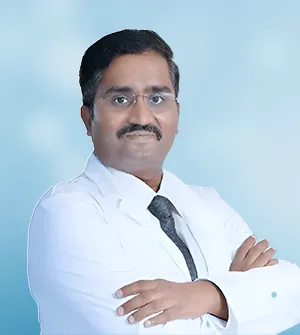
Dr. Suresh P.L.
Senior Consultant
Senior Consultant and Oral Cancer Specialist with 20+ years of dedicated experience in head and neck oncology and complex maxillofacial reconstruction.
- verified 20+ Years of Experience
- school MDS Oral & Maxillofacial Surgery
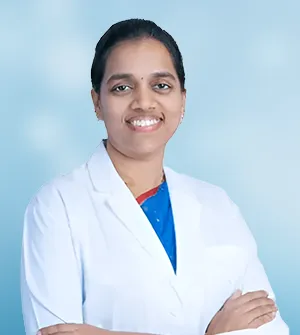
Dr. Navatha Mortha
Senior Consultant
Senior Consultant with 15+ years of experience in oral pathology, cancer surgery, and microvascular reconstructive procedures.
- verified 15+ Years of Experience
- school MDS Oral & Maxillofacial Surgery
Frequently Asked Questions
Common concerns about oral cancer treatment and recovery.
What are the risk factors for oral cancer? expand_more
How is oral cancer diagnosed? expand_more
Will I need reconstructive surgery after tumor removal? expand_more
Will I be able to speak and eat normally after treatment? expand_more
What is the prognosis for oral cancer? expand_more
Will I need follow-up care after treatment? expand_more
Take the First Step: Early Detection Saves Lives
If you have noticed any persistent changes in your mouth, tongue, or throat, don't wait. Schedule a comprehensive evaluation with our oral cancer specialists. Early detection significantly improves outcomes and simplifies treatment.