.png)


Jaw pain on one side is a common yet often confusing symptom. Some people experience a dull ache near the ear, while others feel sharp pain while chewing, speaking, or opening the mouth. In many cases, the pain may come and go, leading patients to ignore it until it starts affecting daily activities such as eating, sleeping, or even concentrating at work.
Unilateral jaw pain can arise from multiple sources, including dental problems, temporomandibular joint (TMJ) disorders, muscle strain, or nerve-related conditions. Because the jaw is closely connected to the teeth, facial muscles, joints, and nerves, pain on one side should never be dismissed without understanding the underlying cause. In clinical practice, patients in Hyderabad frequently report jaw pain on one side along with headaches, ear discomfort, facial asymmetry, or difficulty chewing.
This blog explains the most common causes of jaw pain on one side, how to identify the source of pain, and when it is important to seek professional medical help.
Understanding Jaw Pain on One Side
Jaw pain affecting only one side usually indicates a localized issue rather than a generalized problem. It may originate from the jaw joint, a specific tooth, surrounding muscles, or facial nerves. The pain can range from mild discomfort to severe, stabbing sensations and may worsen with jaw movement, stress, or prolonged talking.
Identifying whether the pain is dental, joint-related, or nerve-related is essential for choosing the right treatment and preventing long-term complications.
Dental Causes of Jaw Pain on One Side
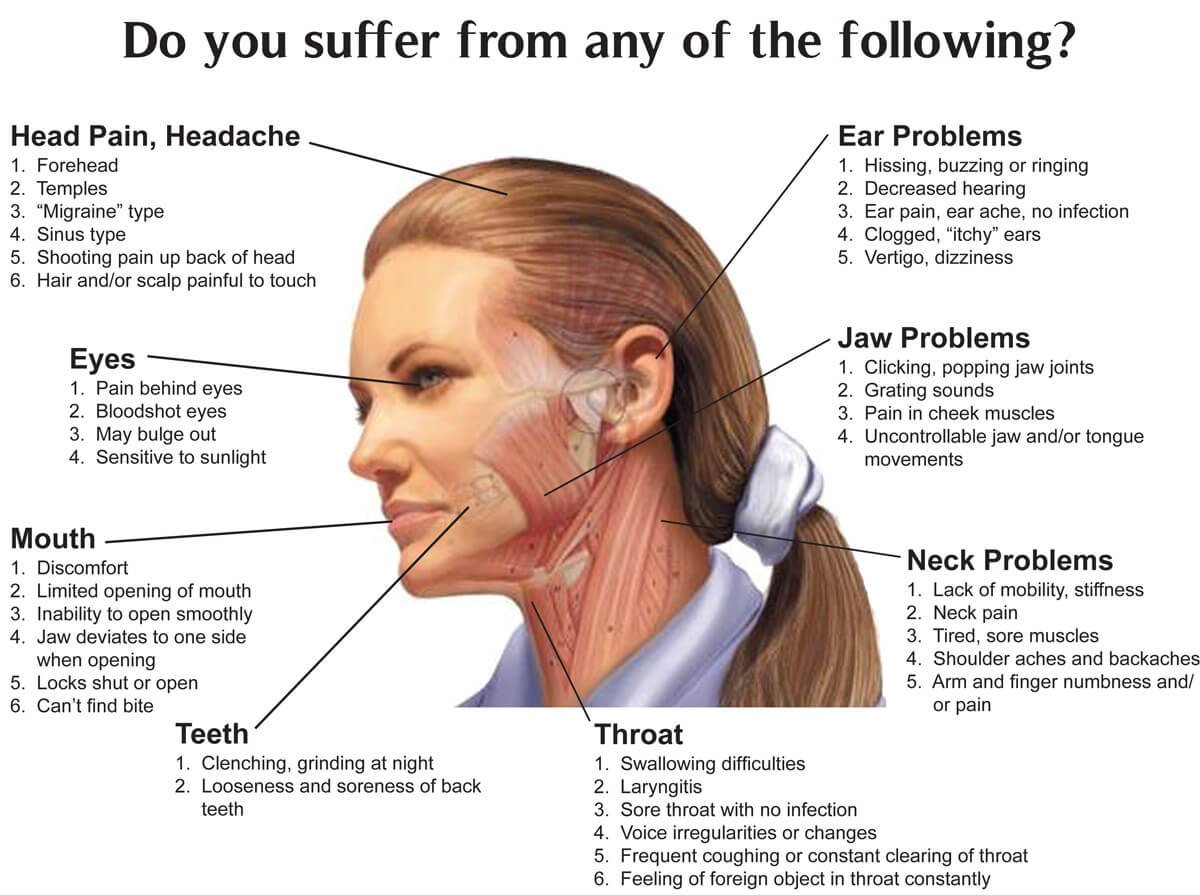
Tooth Infection or Dental Abscess
A dental abscess is one of the most common causes of one-sided jaw pain. Infection in a tooth or surrounding gum tissue can cause throbbing pain that radiates to the jaw, ear, or neck. The pain often worsens at night or while chewing and may be accompanied by swelling, bad breath, or fever.
Impacted Wisdom Tooth
An impacted wisdom tooth, especially on one side, can lead to persistent jaw pain. The pressure exerted by the impacted tooth can irritate nearby tissues and cause inflammation, swelling, and stiffness in the jaw.
Gum Disease (Periodontitis)
Advanced gum disease can damage the supporting structures of the teeth, leading to localized jaw pain. Patients may notice bleeding gums, loose teeth, and discomfort concentrated on one side of the mouth.
Uneven Bite or Dental Misalignment
An uneven bite forces the jaw to work harder on one side, leading to muscle fatigue and joint strain. Over time, this imbalance can cause chronic jaw pain and facial discomfort.
TMJ-Related Causes of One-Sided Jaw Pain
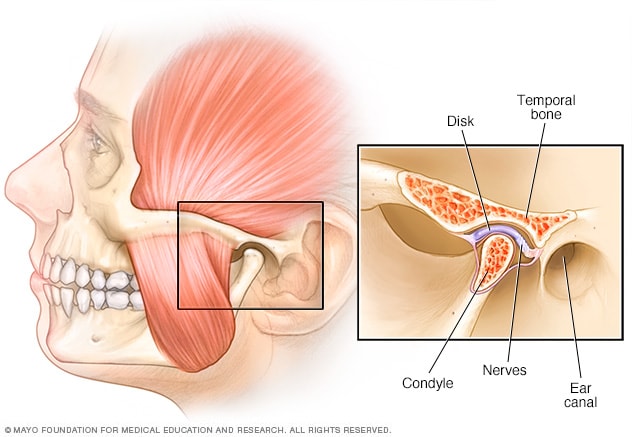
Temporomandibular Joint Disorder (TMJ Disorder)
TMJ disorder is a leading cause of jaw pain on one side. It occurs when one temporomandibular joint becomes inflamed, misaligned, or damaged. Common symptoms include pain near the ear, clicking or popping sounds, difficulty opening the mouth, and jaw deviation.
Jaw Joint Inflammation or Arthritis
Inflammatory conditions affecting the jaw joint can cause pain localized to one side. Arthritis-related jaw pain is often worse in the morning and may improve slightly with movement.
Jaw Muscle Overuse or Strain
Clenching, grinding teeth (bruxism), or excessive chewing can overwork the jaw muscles on one side. Muscle strain can cause aching pain, stiffness, and tenderness that worsens with stress.
Jaw Locking or Restricted Movement
In some TMJ-related cases, the jaw may temporarily lock or feel stuck on one side. This symptom indicates a mechanical issue within the joint that requires evaluation.
Nerve-Related Causes of Jaw Pain
Trigeminal Neuralgia
Trigeminal neuralgia is a nerve condition that causes sudden, severe facial pain, often affecting one side of the jaw. The pain is typically sharp, electric shock-like, and triggered by activities such as chewing, talking, or touching the face.
Referred Nerve Pain
Jaw pain may sometimes originate from nerve irritation in the neck or spine. Poor posture, cervical spine issues, or nerve compression can refer pain to one side of the jaw.
Facial Nerve Inflammation
Inflammation or irritation of facial nerves can lead to localized jaw pain, facial weakness, or abnormal sensations such as tingling or burning.
Other Possible Causes of One-Sided Jaw Pain
Sinus Infections
Upper jaw pain on one side may be related to sinus infections. Pressure and inflammation in the sinuses can cause pain that mimics dental or jaw problems.
Facial Trauma or Injury
Past injuries, even minor ones, can lead to lingering jaw pain on one side due to muscle imbalance, joint damage, or improper healing.
Stress and Psychological Factors
Stress often leads to unconscious jaw clenching, which places excessive strain on one side of the jaw. Over time, this can result in chronic pain and muscle tension.
Comparison of Common Causes of Jaw Pain on One Side
| Cause Category | Key Symptoms | Pain Nature | Requires Medical Attention |
|---|---|---|---|
| Dental causes | Toothache, swelling, bad breath | Throbbing or sharp | Yes |
| TMJ disorders | Jaw clicking, ear pain, stiffness | Dull or aching | Yes |
| Nerve-related causes | Electric shock-like pain | Sudden and severe | Yes |
| Sinus-related pain | Facial pressure, congestion | Pressure-like | If persistent |
| Muscle strain | Tenderness, stiffness | Aching | If chronic |
How Jaw Pain on One Side Is Diagnosed
Diagnosis begins with a detailed history and physical examination. A dental and jaw evaluation helps identify tooth-related causes, while imaging tests such as X-rays, CT scans, or MRI may be used to assess the jaw joint and surrounding structures. Accurate diagnosis ensures that treatment targets the true cause of pain rather than just relieving symptoms.
When to Seek Medical Help for One-Sided Jaw Pain
You should seek professional evaluation if jaw pain persists for more than a few days, worsens over time, or is associated with swelling, fever, jaw locking, or facial numbness. Sudden, severe pain should be addressed immediately, as it may indicate a nerve-related condition.
Patients in Hyderabad, including areas such as Gachibowli, Hi-Tech City, Madhapur, and Kondapur, are advised to consult a qualified maxillofacial specialist if jaw pain interferes with daily life.
Treatment Options Based on the Cause
Treatment depends on the underlying cause of jaw pain. Dental infections may require antibiotics or tooth treatment, TMJ disorders are managed with medications, splints, physiotherapy, or surgical care in severe cases, and nerve-related pain may require specialized medical management. Early treatment improves outcomes and prevents chronic pain.
Self-Care Tips for Temporary Relief
Mild jaw pain may improve with rest, warm compresses, stress management, and avoiding hard or chewy foods. Maintaining good posture and practicing jaw relaxation techniques can also help. However, self-care should not replace professional diagnosis if pain persists.
Frequently Asked Questions (FAQs)
Why do I have jaw pain only on one side?
Jaw pain on one side usually indicates a localized dental issue, TMJ disorder, muscle strain, or nerve irritation.
Can TMJ disorder cause pain on one side of the jaw?
Yes, TMJ disorder often affects one joint more than the other, leading to unilateral jaw pain.
Is one-sided jaw pain serious?
It can be, especially if it is persistent, severe, or associated with swelling, numbness, or difficulty opening the mouth.
Can stress cause jaw pain on one side?
Yes, stress-related clenching or grinding can overwork jaw muscles on one side and cause pain.
When should I see a doctor for jaw pain?
You should seek medical advice if pain lasts more than a few days, worsens, or interferes with eating or speaking.
Can jaw pain be treated without surgery?
Many cases can be managed with medications, dental care, physiotherapy, or lifestyle changes, depending on the cause.
Conclusion
Jaw pain on one side can result from a variety of dental, TMJ, nerve-related, or muscular causes. While occasional discomfort may not be serious, persistent or worsening pain should never be ignored. Identifying the exact cause is key to effective treatment and long-term relief. Early evaluation and timely care can prevent complications and restore comfortable jaw function.