
The best facial cosmetic surgery is the one that corrects the underlying cause of what bothers you — not the one with the trendiest name. For structural issues like a receding chin, prominent jaw, or imbalanced nose, skeletal procedures such as orthognathic surgery, genioplasty, and rhinoplasty deliver the most lasting change. For skin and volume concerns, soft-tissue surgery and non-surgical treatments can refine the result.
format_list_bulletedTable of Contents
Skeletal Procedures (the Foundation)
These change the underlying bone — the foundation of the face. They give the most dramatic, lasting change because they alter the framework on which every soft-tissue feature sits. Once the skeleton is in the right position, skin, muscle, and fat drape over it more naturally.
- Orthognathic surgery — moves the upper jaw (maxilla), lower jaw (mandible), or both into a balanced position. It corrects bite problems, improves facial proportions, opens the airway, and is the single most powerful procedure for changing the lower face. Recovery typically takes 2–4 weeks off work, with full healing timeline explained here. Read more on what orthognathic surgery involves and the complete patient guide to jaw surgery.
- Genioplasty — chin reshaping (advancement, reduction, vertical change). A small chin can be advanced, a long chin shortened, and asymmetry corrected. Often combined with orthognathic surgery for a balanced profile.
- Cheek augmentation — implants or bone reshaping. Used for flat or under-projected midface. Results are permanent and look natural when sized correctly.
- Rhinoplasty — nose reshaping. Changes the bridge, tip, nostrils, and angle between nose and lip. Functional benefits (better breathing) are often combined with cosmetic reshaping.
- Orbital (eye socket) surgery — for prominent eyes, sunken eyes, or asymmetry of the eye position. Often done for thyroid eye disease or congenital conditions.
- Mandibular angle implants — for a stronger, more defined jawline. Popular among patients with a rounded or weak lower face.
For the appearance benefits of jaw surgery specifically, see can jaw surgery improve facial appearance? Patients with sleep or breathing issues alongside facial concerns should also read can jaw surgery help with sleep apnea?
Soft Tissue Procedures
Soft tissue procedures work on skin, muscle, and fat rather than bone. They are excellent for refining what skeletal surgery has already positioned correctly, and for age-related changes like sagging, volume loss, and wrinkles. Recovery is usually shorter than for skeletal surgery, but results are not permanent.
- Facelift — lifts and repositions the lower face, jowls, and neck. Modern techniques preserve volume rather than just pulling skin tight. Results last 8–12 years on average.
- Neck lift — tightens neck muscles (platysma) and removes loose skin under the chin. Often combined with facelift for a smoother jawline.
- Blepharoplasty — eyelid surgery for upper lids (droopy skin), lower lids (bags), or both. Patients often look 5–10 years younger and report better peripheral vision after upper lid surgery.
- Brow lift — lifts the forehead and brows. Useful for a heavy brow or tired look. Endoscopic techniques use small incisions and heal in 1–2 weeks.
- Lip lift / lip augmentation — shortens the upper lip or adds volume. A lip lift is permanent and ideal for an ageing long upper lip.
- Fat grafting — transfers fat from your own abdomen or thigh to the face. Used for cheeks, temples, and under-eye hollows. A portion of the grafted fat survives permanently.
- Scar revision — improves the appearance of existing scars from acne, injury, or previous surgery.
- Ear surgery (otoplasty) — pins back protruding ears or reshapes cartilage. Often done in teenage years, but suitable for adults too.
Non-Surgical Options
Non-surgical treatments are best for early signs of ageing, skin quality issues, and patients who want a test run before committing to surgery. They are not substitutes for skeletal or major soft-tissue procedures, but they complement them well. Most require maintenance every few months to a year.
- Botulinum toxin (Botox) for wrinkles and masseter reduction. Softens forehead lines, crow's feet, and frown lines. Masseter injection slims a square jawline and can help with bruxism. Effects last 3–6 months.
- Dermal fillers for volume and contour. Hyaluronic acid fillers add volume to cheeks, lips, chin, and under-eyes. Last 6–18 months depending on product and area.
- Thread lifts (limited, temporary). Dissolvable threads lift sagging tissue for 1–2 years. Suitable for mild laxity in the right patient.
- Skin resurfacing — laser, chemical peels, and microneedling. Improve texture, tone, acne scars, and pigmentation. Usually a series of 3–6 sessions.
- Skin tightening — radiofrequency and ultrasound devices (Thermage, Ultherapy). Stimulate collagen for gradual tightening over 3–6 months.
- Hair restoration (PRP, transplant). PRP (platelet-rich plasma) supports thinning hair. FUE/FUT transplant moves healthy follicles to balding areas with permanent results.
How to Choose
The right procedure for you depends on what specifically bothers you, your underlying anatomy, your age, and your long-term goals. The right surgeon matters more than the right procedure — a good specialist will guide you to what actually serves your face rather than what is being marketed that month.
- Identify what specifically bothers you — bring reference photos and write down what you want to change. Vague goals lead to vague results.
- Get a proper facial analysis from a qualified specialist — a maxillofacial surgeon evaluates skeletal proportions, soft tissue, and airway together, not just the symptom you noticed.
- Distinguish between structural issues and soft-tissue issues — a weak chin is structural (needs genioplasty), a thin lip is soft-tissue (responds to filler or lip lift). Treating the wrong layer is the most common reason patients feel their results did not deliver.
- Consider long-term results, not just immediate change — fillers and threads fade; skeletal surgery lasts a lifetime. Weigh cost over 10–20 years, not just the first invoice.
- Choose a surgeon, not a procedure — the right surgeon will recommend the right option. If a clinic pushes a procedure before examining you, that is a red flag.
- Ask about the recovery and the risks — review the risks and complications of maxillofacial surgery and the healing timeline so your plan is realistic.
For finding the right specialist, see how to choose the best maxillofacial surgeon in Hyderabad and dentist vs maxillofacial surgeon.
Considering Facial Cosmetic Surgery?
Specialist facial analysis in Hyderabad with a personalised plan.
Book a Consultationarrow_forwardFrequently Asked Questions
Which facial cosmetic surgery gives the biggest change?expand_more
Skeletal procedures (orthognathic surgery, genioplasty, rhinoplasty) change the underlying structure and give the most lasting, balanced change. Soft-tissue procedures add or remove volume but cannot fix a poorly-positioned skeleton.
What is the most popular facial cosmetic surgery?expand_more
Globally, rhinoplasty and blepharoplasty are the most common. In India, orthognathic surgery is increasingly common as awareness grows.
Is facial cosmetic surgery safe?expand_more
In experienced hands, yes. See side effects, risks, and complications.
At what age can I have facial cosmetic surgery?expand_more
After facial growth is complete (16–18 for females, 18–21 for males). Non-surgical options are available earlier.
Will I look unnatural after surgery?expand_more
When planned and executed by an experienced surgeon, no. The goal is balance and harmony — not "done."
How long do results last?expand_more
Skeletal procedures last a lifetime. Soft-tissue surgery lasts 8–15 years. Non-surgical treatments last months to a few years.
Can I combine procedures?expand_more
Yes — many patients combine rhinoplasty with genioplasty, or jaw surgery with fat grafting. Combining is safe when planned carefully.
How do I find a good surgeon in India?expand_more
See how to choose the best maxillofacial surgeon in Hyderabad.
How much does facial cosmetic surgery cost in India?expand_more
Costs vary widely with the procedure and the city. Non-surgical treatments like fillers and Botox typically range from a few thousand to tens of thousands of rupees per session. Surgical procedures such as orthognathic surgery, rhinoplasty, or a facelift are higher and depend on hospital, anaesthesia, and complexity. Always ask for an itemised quote and what is included.
How do I know if I need surgery or non-surgical treatment?expand_more
A good rule: if the issue is bone position, you need skeletal surgery. If the issue is skin, fat, or muscle, non-surgical or soft-tissue surgery often works. The best way to know is a face-to-face consultation with imaging — a qualified maxillofacial surgeon will tell you honestly which path serves you.
What questions should I ask during my consultation?expand_more
Ask how many times the surgeon has performed your specific procedure, what the realistic result will look like, the risks and complications, the recovery time, and what happens if you are unhappy with the result. Also ask about the full recovery timeline so you can plan time off work.
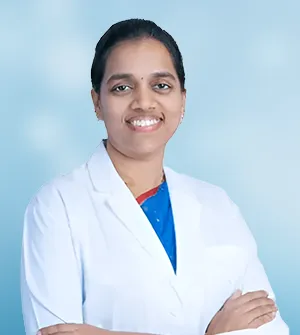
Dr. Navatha Mortha
Senior Consultant & Maxillofacial Surgeon
Dr. Mortha offers honest, individualised advice on facial cosmetic options at Gnathos Facial Surgery, Hyderabad — surgical and non-surgical.