.png)


Choosing a surgeon for the face and jaws can feel like choosing an architect for your home. One wrong decision can affect structure, function, and appearance for years. That is why learning how to choose the best maxillofacial surgeon in Hyderabad is one of the most important health decisions a person can make.
Many people feel nervous when they hear terms like oral and maxillofacial surgery. Thoughts about pain, scars, and complications are common. Others worry about how their face will look, whether they will be able to chew, speak, or sleep well, and how to judge one maxillofacial surgeon in Hyderabad against another. This is even harder in a big city, where there seem to be many “best oral surgeon Hyderabad” options online.
A common saying in maxillofacial surgery is: “You are not operating on a face, you are operating on a person who wears that face every day.” That is why surgeon choice matters so much.
Maxillofacial surgeons treat a wide range of concerns, including:
- Facial injuries and fractures
- TMJ disorders and chronic jaw pain
- Jaw misalignment and bite problems
- Corrective jaw (orthognathic) surgery
- Cleft lip and palate
- Oral cancers and oral pathology
- Cosmetic and reconstructive facial procedures
So whether a person needs a jaw surgeon in Hyderabad for bite correction, a facial surgery specialist in Hyderabad after an accident, or a TMJ specialist in Hyderabad for long‑term pain, the quality of the surgeon matters deeply.
The good news is that this choice does not have to be guesswork. By checking seven clear points, anyone can compare options for oral and maxillofacial surgery in Hyderabad with confidence. This guide explains what to look for in qualifications, experience, technology, communication, reputation, team support, and transparency about treatment and costs.
By the end, readers will have a practical checklist to use with any facial reconstruction surgeon in Hyderabad, so they can move forward feeling informed, safe, and supported at every step.
Key Takeaways
The seven checks in this guide give a simple way to compare surgeons without feeling lost. Reading the full article will give more detail, but this quick list can be used right away when speaking to any clinic.
- Check qualifications and specialised training. Look for BDS plus MDS in Oral and Maxillofacial Surgery. Extra fellowships and certifications show deeper skill in areas such as TMJ, cosmetic, cancer, or reconstructive surgery.
- Look at clinical experience and case record. Years of practice matter, but so does experience with the exact problem in front of you. Ask how often they perform that procedure and what kind of results they see.
- Ask about technology and facilities. CBCT scans, digital planning, and modern surgical tools usually mean more accurate surgery and smoother recovery. Clean, well‑run clinics show strong focus on safety.
- Notice communication and empathy. A good surgeon listens carefully, explains things in simple words, and does not rush. Feeling heard and respected is as important as any scan or test.
- Study reputation and reviews. Read detailed patient stories, not only star ratings, and see how the team responds to feedback. Referrals from dentists, doctors, friends, or family are very valuable.
- Check for multidisciplinary and long‑term care. The best centres work closely with orthodontists, oncologists, prosthodontists, and other specialists, and they support patients before and after surgery, not just on the day.
- Expect clear treatment plans and honest costs. A trustworthy clinic explains all options, risks, timelines, and fees in writing. There should be no surprise charges later.
1. Verify Qualifications And Specialised Training – The Foundation Of Surgical Excellence
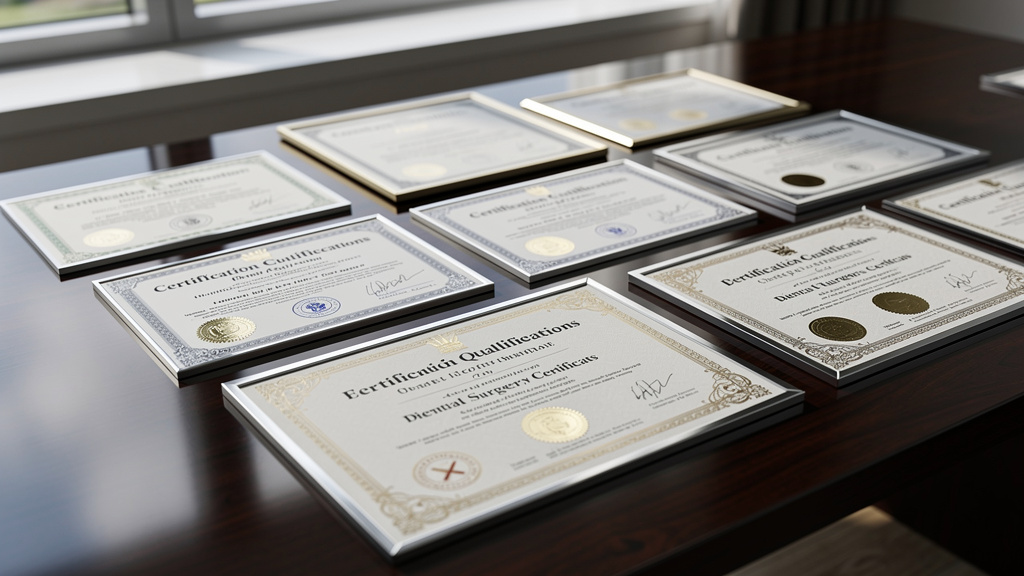
Maxillofacial surgery is not general dentistry. It is a demanding field that combines dental knowledge with surgical skill, anaesthesia training, and experience in handling emergencies. When a person is choosing a maxillofacial surgeon in Hyderabad, verifying formal education is the first safety step.
In India, every oral and maxillofacial surgeon begins with a BDS (Bachelor of Dental Surgery). This five‑year course covers the teeth, gums, basic oral medicine, and simple procedures. It builds the base, but it is not enough for complex facial or jaw surgery on its own. After BDS, the surgeon must complete MDS (Master of Dental Surgery) in Oral and Maxillofacial Surgery, a three‑year hospital‑based programme focused on surgery of the mouth, jaws, and face.
It is important to confirm that the MDS is specifically in Oral and Maxillofacial Surgery, not another dental branch. During these years, surgeons handle facial trauma, jaw fractures, cleft care, oral pathology, reconstructive work, and advanced anaesthesia support. This is where they learn to manage difficult airways, bleeding, and other serious situations that may arise in major jaw surgery in Hyderabad.
Beyond MDS, many of the best surgeons pursue fellowships in narrower areas. Some spend extra years focusing on head and neck cancer surgery. Others concentrate on cleft and craniofacial work, TMJ surgery, or facial cosmetic surgery. Certifications in modern techniques such as microvascular reconstruction, piezosurgery, and computer‑guided planning show a strong interest in safe and updated methods.
Every practising surgeon must also be registered with a State Dental Council. This registration means they are legally allowed to treat patients. Membership in bodies such as the Association of Oral and Maxillofacial Surgeons of India (AOMSI) is another positive sign, as it shows they stay active in their field and follow professional standards.
During a consultation, it is completely acceptable to ask about degrees, fellowships, and registrations. Many surgeons display certificates in their clinic. People can also search State Dental Council listings and AOMSI membership lists online to confirm what they are told.
2. Assess Clinical Experience And Proven Track Record – Why Years Of Practice Matter
Formal degrees show that a surgeon has passed exams and finished training. Real strength, however, comes from years of operating on real people with real problems. When someone wants the best maxillofacial surgeon Hyderabad can offer for their condition, they must look beyond letters after the name and ask about day‑to‑day experience.
Surgeons who have been practising for ten or twenty years usually have seen a very wide range of cases. They have repaired high‑speed road accident injuries, managed complex oral cancers, carried out many corrective jaw surgeries, and supported anxious patients through recovery many times over. With time, their hands grow steadier and their judgement sharper, especially when something unexpected happens in theatre.
That said, experience must match the problem. Maxillofacial surgery covers many types of work. A surgeon who spends most of the week doing wisdom tooth removal may not be the right choice for advanced corrective jaw surgery Hyderabad patients need for severe bite problems. Likewise, a surgeon focused on facial cosmetic work may not be the best fit for extensive oral cancer reconstruction. Sub‑specialisation matters.
This is why it helps to ask very clear questions, such as:
- How many orthognathic (corrective jaw) surgeries do you perform in a typical year?
- How often do you operate on TMJ joints, facial fractures, or oral cancers?
- What sort of long‑term function, speech, and appearance do your patients usually achieve?
Where appearance is a big concern, such as in facial asymmetry correction or cosmetic jawline surgery, it is reasonable to request anonymised before‑and‑after photos. These should show cases similar to the one in front of the surgeon. This helps set realistic expectations and gives a clear picture of the surgeon’s style and results.
Hospital and clinic links also give strong hints about experience. Surgeons who are consultants at leading hospitals are regularly trusted with serious facial trauma and complex cases. They work with intensive care teams, oncologists, and anaesthetists and are used to strict safety standards. When someone searches for a facial reconstruction surgeon Hyderabad offers, checking where that surgeon operates is just as important as checking years of practice.
Above all, patients should remember that good surgeons are open about their work. They are happy to share numbers, talk about success, and discuss complications honestly. Vague answers or discomfort when asked about experience are warning signs.
3. Evaluate Advanced Technology And Modern Surgical Facilities – Precision Through Innovation
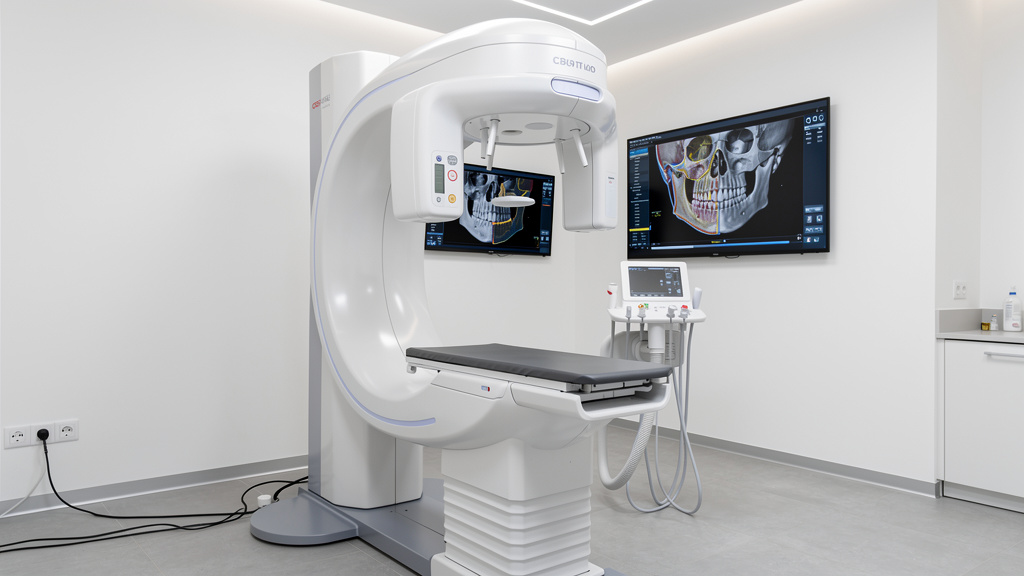
In maxillofacial surgery, a difference of one or two millimetres can change the bite, the way the lips close, or how the nose and chin look in profile. Modern technology helps surgeons plan and carry out operations with this level of fine control. When assessing any oral and maxillofacial surgery Hyderabad clinic, it is wise to look closely at the tools and systems they use.
Surgeons often say, “What you cannot see clearly, you cannot treat confidently.” Good imaging and planning tools are central to safe facial surgery.
Advanced imaging is a key starting point. Cone Beam Computed Tomography (CBCT) gives three‑dimensional views of teeth, jaws, facial bones, nerves, and sinuses. Compared with standard two‑dimensional X‑rays, CBCT scans allow the surgeon to see exactly where important structures lie. For dental implants, it shows bone thickness and height. For corrective jaw surgery, it reveals the full shape and position of the upper and lower jaws.
Digital intraoral scanners are also very helpful. Instead of taking messy impressions, the scanner captures a digital model of the teeth and gums. This makes treatment planning more accurate and more comfortable. These models can be combined with CBCT images to create guides for implants, plates, and screws.
Computer‑guided surgical planning brings all this information together. Using specialised software, the surgeon can move the jaws on a virtual model, test different positions, and predict how the face will look. For a person needing corrective jaw surgery in Hyderabad, this means the surgeon can plan cuts, movements, and fixation before stepping into the operating theatre. Planning like this often shortens surgery time and can reduce swelling and recovery time.
Modern equipment in theatre also matters. Piezosurgery machines use ultrasonic vibrations to cut bone while sparing nearby soft tissue. This can mean cleaner cuts, less bleeding, and less pain afterwards. Soft‑tissue lasers can help with gum and mucosal work, often with less bleeding and quicker healing.
Safe, comfortable anaesthesia is another part of good technology. A strong clinic will offer a range of options, from local anaesthesia for minor work to conscious sedation and full general anaesthesia for major cases. A qualified anaesthetist should be present for longer or more complex surgery.
Strict sterilisation and hygiene systems are non‑negotiable. There should be a dedicated sterilisation room, modern autoclaves, and clear processes for disinfecting every instrument and surface. Waiting areas, consultation rooms, and theatres should look clean, organised, and calm. Anyone visiting a jaw surgeon Hyderabad clinic for the first time should feel confident just by observing how the staff handle equipment and maintain the space.
People should not hesitate to ask what technology the clinic uses. A centre that invests in CBCT, digital planning, and updated surgical tools is usually serious about safety, accuracy, and patient comfort.
4. Prioritise Patient Centric Communication And Empathetic Care – The Human Side Of Surgery
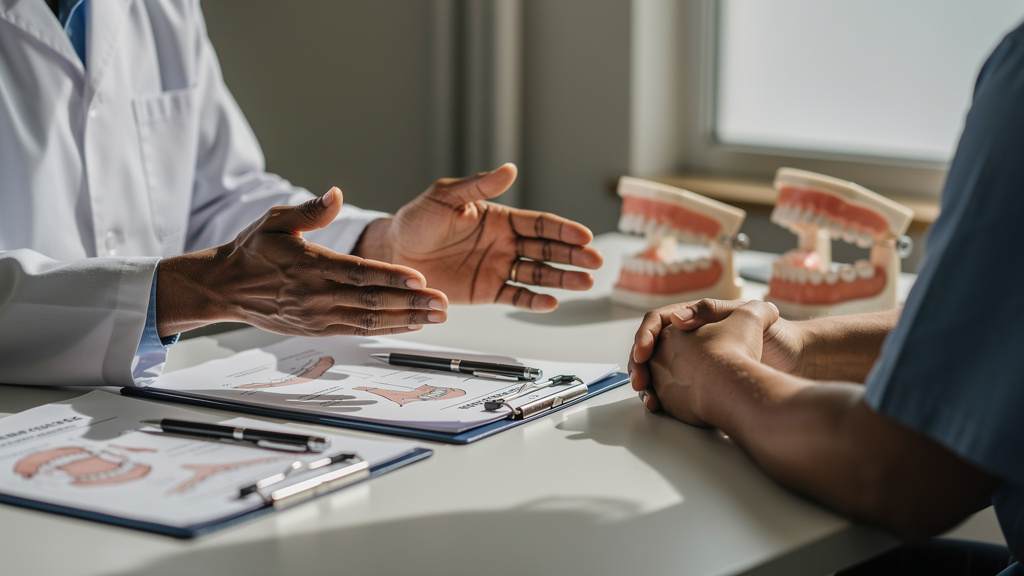
A surgeon can be highly skilled on paper yet still not be the right match for a person’s emotional needs. Maxillofacial surgery affects the face, confidence, speech, and daily comfort, so the way a surgeon communicates is just as important as their technical work. Choosing the best maxillofacial surgeon in Hyderabad means finding someone who treats people, not just X‑rays.
The first consultation is the best time to judge this. A patient‑centred surgeon:
- Listens without interruption
- Invites the person to describe pain, fears, and goals in their own words
- Asks follow‑up questions about how the problem affects eating, speaking, work, or sleep
This kind of active listening builds trust.
Clear, simple explanation is another key sign. Good surgeons avoid long blocks of medical jargon. They may use simple drawings, models, or before‑and‑after photos to explain jaw position, fractures, or TMJ changes. They check often whether the person has understood and are patient when answering questions several times.
Empathy can be felt in many small ways. It shows when the surgeon acknowledges how scary the word “surgery” can sound, or when they pause to let someone take in a diagnosis like oral cancer. It also shows in the way reception staff speak on the phone, how nurses prepare patients for scans, and how the team supports family members waiting outside theatre.
Language also matters in a multilingual city. A person may feel far more relaxed speaking in Telugu, Hindi, or Urdu than in English. A caring maxillofacial surgeon Hyderabad based will either speak those languages or have team members who can translate well. Misunderstandings during consent or post‑operative instructions can be serious, so clear communication in the patient’s preferred language is very important.
Finally, a patient‑centred surgeon involves the person in choices. They explain options, listen to what the person values more—whether that is appearance, speed of recovery, or avoiding certain risks—and they adjust the plan within safe limits. If a consultation feels rushed, confusing, or dismissive, it is wise to seek another opinion.
5. Research Professional Reputation And Patient Reviews – Learning From Others’ Experiences
One person’s experience does not tell the whole story, but patterns in many people’s stories can say a lot. When comparing options for the best oral surgeon Hyderabad offers, online reviews and referrals from people already treated can provide very useful guidance.
Start with well‑known platforms such as Google and health review sites like Practo. Instead of focusing only on star ratings, read the detailed comments. Look for reviews from people with similar problems—such as TMJ disorders, facial trauma, cleft issues, or oral cancer. Pay attention to what they say about the whole process, from the first call to the last follow‑up visit.
Reviews that talk about clear explanations, careful planning, safe surgery, and smooth recovery are especially meaningful. Repeated comments about kindness, patience, and good listening skills show that the team truly cares. It is also worth noting comments on waiting times, cleanliness, and how the staff handle pain or anxiety.
No clinic will have only positive reviews. What matters is how they respond to unhappy ones. A professional response that apologises where needed, explains what has been done to improve, and invites direct contact shows that the clinic takes feedback seriously. Defensive comments or silence in the face of real concerns are not a good sign.
Beyond the internet, personal referrals are powerful. General dentists and family doctors in Hyderabad usually know which maxillofacial surgeons handle complex trauma well, who does strong orthognathic surgery, and who has a steady record in oral cancer work. Friends, relatives, or colleagues who have had jaw surgery in Hyderabad can also share honest impressions about their care.
Professional reputation inside the medical community adds another layer. Surgeons who teach, publish research, or speak at conferences are often trusted by other doctors. They are usually up to date with modern methods and show strong ongoing interest in their field.
Taking the time to gather this information may feel slow, but it reduces guesswork. When people see steady praise for skill, results, and kindness across many different sources, they can feel more confident that they are in safe hands.
6. Ensure Comprehensive, Multidisciplinary Care And Post Operative Support – Beyond The Operating Theatre
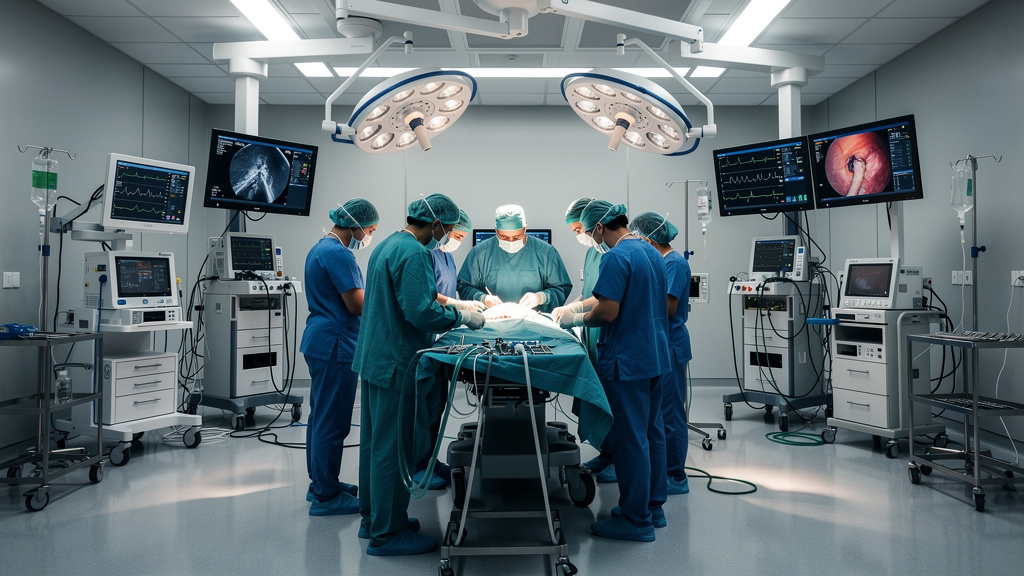
Maxillofacial surgery nearly always links to other parts of healthcare. Teeth, jaws, airway, facial nerves, speech, and appearance are all connected. This means that the best facial surgery specialist Hyderabad patients can choose is rarely working alone. Instead, they are part of a team that supports the person before, during, and long after the operation.
Different conditions need different partners:
- Orthognathic surgery calls for close work with an orthodontist who aligns the teeth.
- Dental implant work may need a prosthodontist to design strong, natural‑looking crowns or bridges.
- Oral cancer treatment usually involves oncologists, radiation doctors, and reconstructive experts.
- Facial trauma from road accidents often demands input from neurosurgeons, eye specialists, and ENT surgeons.
- TMJ disorders may need physiotherapists and pain specialists for long‑term support.
When a maxillofacial surgeon is used to working with such teams, care becomes smoother and more complete.
Pre‑operative support is another part of this picture. A good clinic spends time preparing people for surgery. They give clear instructions about food, drinks, medicines, and smoking. They explain what will happen on the day, how long the procedure may take, and what kind of help will be needed at home. This kind of planning reduces fear and lowers the chances of last‑minute problems.
After surgery, support must continue. Written and verbal instructions about pain control, wound care, oral hygiene, diet progression, and activity limits are important. Regular follow‑up visits allow the surgeon to check healing, adjust splints or elastics, and spot small issues before they grow. For long‑term treatments, such as for TMJ or major reconstruction, this follow‑up can last months or even years.
Emergency access is the final part of complete care. While serious complications are rare, swelling, bleeding, or sudden pain can be very worrying at home. A reliable oral and maxillofacial surgery Hyderabad centre will give clear contact numbers and explain how to reach help at any time, day or night. Knowing that support is only a call away brings real peace of mind.
7. Demand Transparent Treatment Planning And Clear Cost Information – No Surprises, Just Clarity
Money is an important part of any medical decision, especially for major operations. People searching for “maxillofacial surgery cost Hyderabad” often find a wide range of figures with no clear explanation. Honest clinics understand this worry and address it directly.
Transparency starts with a clear, written treatment plan. After examination and tests, the surgeon should explain:
- What they recommend and why it is needed
- What might happen without treatment
- Other choices, including non‑surgical options when they exist
They should explain how each choice may affect function, comfort, and appearance.
The plan should outline the full process, including pre‑operative steps, the main surgery, expected time in hospital or day care, and the recovery phase. It should cover how long swelling and bruising may last, when normal eating might resume, and when a person can return to work or school. Honest discussion of possible risks and complications is essential, even if the chances are low.
Cost information should match this level of detail. A professional clinic will give a written estimate that breaks down:
- Surgeon’s fees
- Anaesthesia costs
- Hospital or day‑care charges
- Costs of investigations such as CBCT scans or blood tests
It should also state what is included in post‑operative follow‑up and what might be charged separately.
Hidden fees and vague “package” offers without explanation are warning signs. Patients should feel free to ask how the estimate was calculated and what might change the final bill, such as extra nights in hospital or unexpected extra procedures. For people comparing more than one “oral surgeon near me Hyderabad” option, having clear written quotes makes fair comparison much easier.
Understanding costs also helps with planning insurance claims or payment schedules. Some clinics can guide patients through this process or suggest staged treatment where safe. A surgeon who is open about both medical and financial aspects of care shows respect for patients and supports informed, calm decision making.
Why Gnathos Face Surgery Is Hyderabad’s Trusted Choice For Maxillofacial Excellence
Once people know what to look for, the next step is to find a centre that matches these standards. Gnathos Face Surgery in Hyderabad has been built around the same seven checks described above. It combines advanced oral and maxillofacial care with a gentle, patient‑first approach, which is exactly what people with facial and jaw problems need.
Criterion 1 Qualifications And Specialised Training
Gnathos Face Surgery is led by surgeons who hold BDS followed by MDS in Oral and Maxillofacial Surgery, the standard qualification for this field in India. Many have gone further with focused training and fellowships in areas such as facial cosmetic procedures, TMJ disorders, and reconstructive surgery. They also stay active in professional bodies and education programmes, regularly updating their skills as new safe methods appear.
Criterion 2 Clinical Experience And Track Record
The Gnathos team brings many years of hands‑on experience across the full range of maxillofacial work. They manage everything from routine wisdom tooth extractions to complex corrective jaw surgery, TMJ operations, oral cancer surgery, and cleft repair. Because they see a high volume of complex cases, they are familiar with the small details that can make a big difference to comfort, function, and appearance.
Criterion 3 Advanced Technology And Modern Facilities
Gnathos invests strongly in digital technology and modern equipment. The centre uses CBCT imaging and digital scans to plan treatment with high accuracy. Computer‑guided planning is part of their approach to implants and orthognathic surgery. In theatre, the use of precision tools such as piezosurgery systems supports careful bone work with less impact on nearby soft tissues, helping recovery to be smoother.
Criterion 4 Patient Centric Communication And Empathetic Care
Every part of the experience at Gnathos is designed around the patient. Surgeons and staff take time to listen, explain conditions in simple language, and answer questions as many times as needed. They understand that many people feel anxious about facial and jaw surgery and respond with calm, clear reassurance. With team members who speak English, Hindi, and Telugu, they make sure communication feels natural and easy.
Criterion 5 Professional Reputation And Patient Reviews
Gnathos Face Surgery has earned strong appreciation from former patients and referring doctors in Hyderabad and beyond. Reviews often highlight both the quality of surgical outcomes and the kindness of the team. Local dentists and physicians regularly refer complex cases to Gnathos, which shows trust in their expertise and their steady record in managing difficult maxillofacial problems.
Criterion 6 Comprehensive, Multidisciplinary Care
At Gnathos, surgery is only one part of care. The centre works closely with orthodontists, prosthodontists, oncologists, and other specialists to give joined‑up treatment plans. From the first consultation through scans, planning, surgery, and recovery, the team keeps every step connected. Detailed pre‑operative advice, structured follow‑up visits, and clear emergency contact routes give people steady support throughout their treatment.
Criterion 7 Transparent Treatment Planning And Costs
Gnathos places strong focus on clarity and honesty. Patients receive detailed explanations of their condition, the proposed procedure, and any alternatives. Treatment plans come with written cost estimates that lay out fees and charges in plain language, avoiding financial surprises later on. This open style helps people and families feel in control when they consider major face or jaw surgery.
For anyone searching for a maxillofacial surgeon Hyderabad based who combines advanced skill, modern technology, and kind, thoughtful care, Gnathos Face Surgery stands out as a trusted choice. It is not just a clinic but a partner in restoring function, health, and confidence.
Understanding The Full Scope Of Conditions Treated By Maxillofacial Surgeons
Many people only discover oral and maxillofacial surgery when a dentist refers them or after an accident. In reality, this field covers a wide set of dental, jaw, facial, and neck problems, from simple extractions to major reconstruction. Knowing this scope helps people see whether their issue calls for a specialised maxillofacial surgeon in Hyderabad.
Dental And Jaw Related Issues
Maxillofacial surgeons handle common problems like impacted wisdom teeth that cause pain, swelling, or infection. They also place dental implants, including complex cases that need bone grafts or sinus lifts to build a solid base. When the upper and lower jaws do not meet properly, they plan and perform orthognathic surgery to correct underbites, overbites, and open bites. They treat TMJ disorders that bring jaw pain, clicking, and limited movement, sometimes with surgery when other methods do not help. They also remove cysts and benign tumours inside the jaws and mouth.
Facial Trauma And Emergency Care
After road accidents, falls, or sports injuries, maxillofacial surgeons are often called to manage fractures of the jaw, cheekbones, eye sockets, and nose. They work to restore both strength and appearance, fixing bones with plates and screws where needed. They also repair cuts to the lips, cheeks, eyelids, and other soft tissues of the face, taking care with stitches to support good healing and scarring. Fast and accurate treatment at this stage can greatly reduce long‑term problems.
Reconstructive And Congenital Conditions
Some people are born with differences in their face, such as cleft lip and palate or hemifacial microsomia where one side of the face is smaller. Maxillofacial surgeons play a central role in the staged operations needed to improve function, speech, and appearance in these situations. They also perform reconstruction after trauma or cancer surgery, sometimes moving tissue from other parts of the body to rebuild the jaws or cheeks. This work aims to restore chewing, speech, and facial balance as much as possible.
Oral Pathology And Cancer
Oral and maxillofacial surgeons diagnose and treat many diseases of the mouth and jaws. They perform biopsies on suspicious patches or lumps, helping to catch oral cancers early. When cancer is present, they remove tumours with safe margins and often handle the reconstruction in the same sitting. They also treat problems in the salivary glands, such as stones, infections, or tumours, and manage some diseases of the maxillary sinuses.
Other Conditions
Beyond these areas, maxillofacial surgeons may offer surgery for obstructive sleep apnoea when airway blockage is related to jaw position. They treat serious oral and facial infections and abscesses that need drainage and removal of infected tissue. Many also provide cosmetic facial procedures, including rhinoplasty, chin reshaping, cheek implants, and other facial contouring work. If a person’s problem involves the mouth, jaws, or face, it is often wise to seek an opinion from a qualified maxillofacial surgeon.
Making Your Decision – Final Tips For Choosing Your Maxillofacial Surgeon
Reaching a decision about a maxillofacial surgeon can feel heavy, but it does not have to be rushed or confusing. By this point, the seven checks in this guide should feel more familiar and easier to apply. The next step is to put them into action in a calm, organised way.
Start by gathering information online and from referrals, then use it to create a shortlist. Two or three names are usually enough to compare without feeling overwhelmed. Make sure each person on the list has the right qualifications and positive feedback about both skill and care.
Next, plan to meet each surgeon in person. Face‑to‑face consultations allow people to judge communication style, clinic cleanliness, and the general feel of the place. During these visits, bring a written list of questions covering experience, technology, treatment options, costs, and post‑operative support.
Action Steps For A Confident Choice
- Create a shortlist based on qualifications, case experience, technology, and reviews. Include only those who clearly offer the type of care needed, such as TMJ specialist Hyderabad based or corrective jaw surgeon. Keeping the list short helps the decision feel manageable.
- Schedule consultations with each shortlisted surgeon to discuss the problem in detail. Notice how they listen, explain, and respond to worries. Pay attention to how the clinic runs, including waiting times and staff behaviour.
- Ask focused questions about how often they treat similar cases, what results they see, and what risks they have faced. Enquire about the tools and scans they use and what support they provide after surgery. Honest, specific answers show confidence and clarity.
- Trust your instincts once facts have been gathered. If one surgeon makes a person feel safer, more informed, and more respected, that feeling matters. Comfort and trust make the whole treatment process smoother.
- Confirm details in writing before saying yes to surgery. This includes a written treatment plan, cost estimate, and clear instructions for before and after the operation. Taking a day or two to review this information at home is perfectly reasonable.
By following these steps, people can move from uncertainty to a calm, informed choice about their maxillofacial care.
Conclusion
Choosing the best maxillofacial surgeon in Hyderabad is far more than typing a phrase into a search bar. It means looking carefully at qualifications, real‑world experience, technology, communication, reputation, team support, and openness about plans and costs. These seven checks turn a big, emotional decision into a series of clear, practical steps.
Maxillofacial procedures affect how a person looks, eats, speaks, and breathes. They can repair the damage of accidents, ease long‑standing TMJ pain, correct jaw misalignment, treat oral cancers, and refine facial appearance. Because of this, people deserve a surgeon who is highly skilled and also deeply committed to safety and thoughtful care.
As many surgeons remind their trainees, “Good surgery begins long before the first incision—with listening, planning, and honest discussion.”
By using the checklist in this guide, patients and families can feel more in control. They can ask sharper questions, compare clinics fairly, and avoid rushing into treatment they do not fully understand. Taking this time is an act of self‑respect and a strong investment in long‑term comfort and confidence.
Whether someone is facing facial trauma repair, jaw surgery, TMJ treatment, or another maxillofacial condition, the right surgeon is the one who blends technical excellence with kindness and honesty. High‑quality oral and maxillofacial surgery in Hyderabad is available, and with careful thought and the right questions, people can find a partner who will support them from first visit to full recovery.
FAQs
The decision to meet a maxillofacial surgeon often raises many questions. People may wonder what to check, what to expect, or how to judge between two apparently similar clinics. These answers address some of the most common doubts and link back to the key ideas in this guide.
What Qualifications Should A Maxillofacial Surgeon In Hyderabad Have?
A qualified maxillofacial surgeon in India must first complete a BDS (Bachelor of Dental Surgery) degree, which is a five‑year undergraduate dental course. After this, they need an MDS (Master of Dental Surgery) in Oral and Maxillofacial Surgery, a three‑year postgraduate programme focused on surgery of the face, jaws, and mouth. Many top surgeons then add fellowships in areas such as facial cosmetic surgery, TMJ surgery, reconstructive work, or oral oncology, plus certifications in modern methods like piezosurgery and digital planning. It is also important to confirm registration with a State Dental Council and, ideally, membership in professional bodies such as AOMSI. Together, these points show that the surgeon has strong training and legal standing to perform complex maxillofacial operations safely.
Question 2 How Do I Know If A Maxillofacial Surgeon Has Enough Experience With My Specific Condition?
The best way is to ask direct, clear questions during the consultation. People can ask how many years the surgeon has been practising oral and maxillofacial surgery and how many similar procedures they perform each year. It is also fair to ask about success rates and what kinds of problems they have faced in those cases. For issues that affect appearance, such as corrective jaw surgery or facial reconstruction, it helps to see anonymised before‑and‑after photos of patients with similar concerns. Surgeons who focus on a certain area, such as facial trauma, orthognathic surgery, or oral cancer, will usually say so openly. Confident, experienced surgeons are happy to discuss their record, while vague answers should prompt more questions or a second opinion.
Why Is Advanced Technology Important In Maxillofacial Surgery?
Maxillofacial surgery demands high accuracy because small changes can affect the bite, smile, and facial shape. Advanced technology helps surgeons see more clearly, plan more accurately, and operate more safely. CBCT scans give three‑dimensional images of bones, teeth, nerves, and sinuses, which means the surgeon can avoid delicate structures and place cuts or implants precisely. Computer‑guided planning allows virtual testing of jaw movements or implant positions before surgery, supporting more predictable results and often shorter operations. Tools such as piezosurgery units cut bone with fine control and less effect on nearby soft tissue, which can reduce pain and swelling afterwards. When a clinic invests in this kind of technology, it usually reflects a strong focus on safety and good outcomes.
What Should I Expect During My First Consultation With A Maxillofacial Surgeon?
The first visit is designed to understand the problem and plan safe care. The surgeon will begin with a detailed discussion of symptoms, medical history, and any previous dental or facial treatment, followed by a careful examination of the mouth, jaws, and face. They may advise imaging such as a CBCT scan or X‑rays to get a complete picture before giving an opinion. Once results are ready, they will explain the diagnosis in simple terms and outline treatment choices, including benefits, risks, and recovery times. A clear estimate of costs is usually provided at this stage, along with information about insurance or payment options. There should also be time to ask questions and check how comfortable and confident you feel with this oral and maxillofacial surgery Hyderabad team.