.png)


Orthognathic surgery, commonly known as jaw correction surgery, is a specialized surgical procedure performed to correct irregularities of the jaw bones and improve the alignment of the teeth and face. This surgery is not only performed for cosmetic enhancement but is often medically necessary to restore proper jaw function, improve chewing and speech, relieve jaw pain, and correct facial imbalance.
Many people live for years with jaw problems such as difficulty biting, chewing discomfort, facial asymmetry, speech issues, or chronic jaw pain, assuming these problems cannot be corrected. However, orthognathic surgery offers a long-term solution for patients with skeletal jaw discrepancies that cannot be treated with braces alone. With advances in maxillofacial surgery, the procedure has become safer, more precise, and more predictable.
This blog explains what orthognathic surgery is, why it is performed, how the procedure works, and what to expect during recovery.
What Is Orthognathic Surgery?
Orthognathic surgery is a corrective jaw surgery that repositions one or both jaws to achieve proper alignment and balance between the teeth, jaws, and facial structures. The term “orthognathic” literally means “straight jaws.” The surgery is performed by a trained oral and maxillofacial surgeon, often in coordination with an orthodontist.
This procedure corrects problems related to jaw size, shape, position, and symmetry. It addresses conditions where the upper jaw (maxilla), lower jaw (mandible), or both are not aligned correctly, leading to functional and aesthetic concerns.
Why Is Orthognathic Surgery Needed? (Purpose)
Orthognathic surgery is recommended when jaw-related problems affect daily function or facial harmony and cannot be corrected with orthodontic treatment alone.
Common Reasons for Orthognathic Surgery
- Difficulty chewing or biting food properly
- Speech problems due to jaw misalignment
- Chronic jaw pain or TMJ-related discomfort
- Facial asymmetry or imbalance
- Protruding or recessed jaw
- Open bite, underbite, or severe overbite
- Breathing issues, including sleep-related breathing problems
- Jaw problems caused by injury or congenital conditions
Correcting jaw alignment improves not only facial appearance but also overall oral health and quality of life.
Conditions Treated With Orthognathic Surgery
Orthognathic surgery is commonly used to treat:
- Underbite (Class III malocclusion): Lower jaw protrudes forward
- Overbite (Class II malocclusion): Upper jaw extends too far forward
- Open bite: Front teeth do not meet when the mouth is closed
- Facial asymmetry: One side of the jaw grows differently than the other
- Jaw growth abnormalities: Congenital or developmental jaw issues
Orthognathic Surgery Procedure: Step-by-Step
Pre-Surgical Planning
The process begins with a detailed evaluation that includes clinical examination, dental impressions, X-rays, CT scans, and facial analysis. Orthodontic treatment (braces or aligners) is usually required before surgery to align the teeth properly.
Surgical Procedure
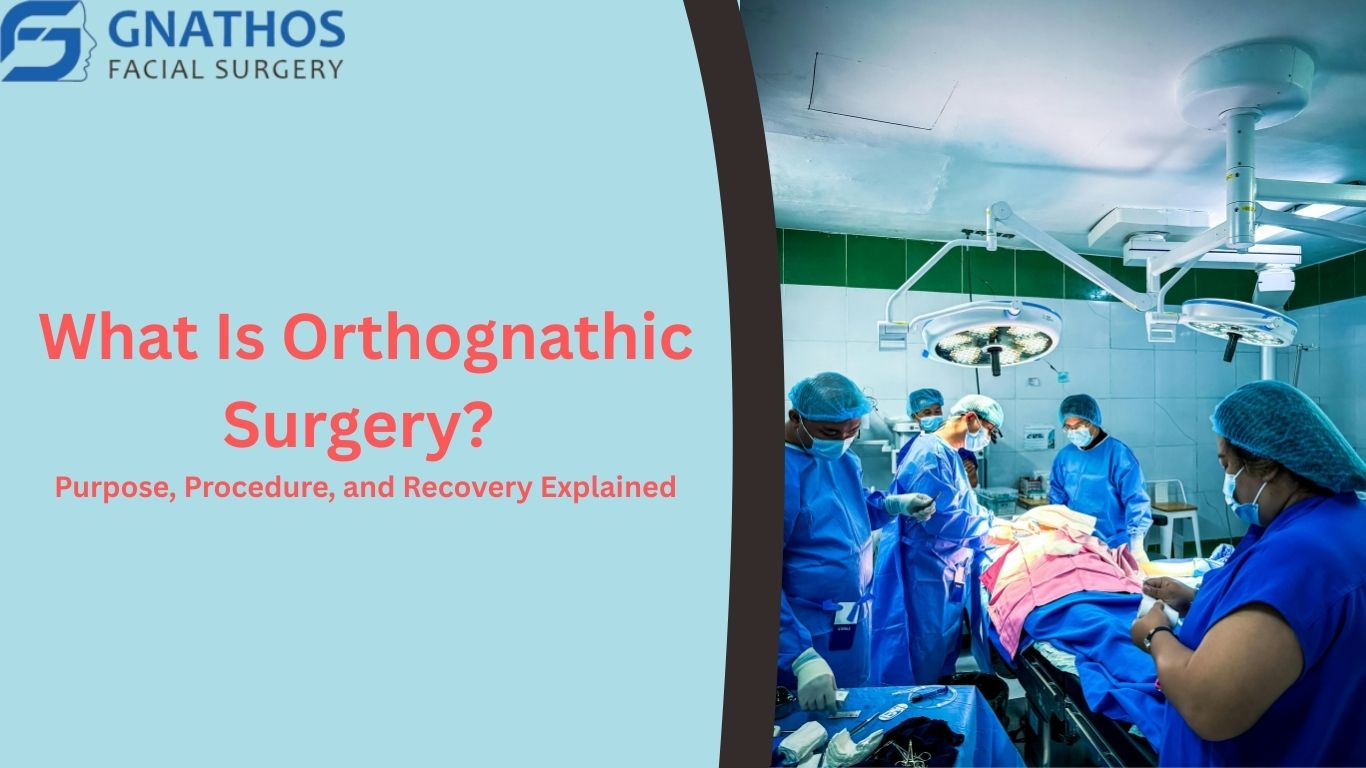
Orthognathic surgery is performed under general anesthesia. Depending on the condition, the surgeon may operate on the upper jaw, lower jaw, or both. The jaws are carefully repositioned and secured using medical-grade plates and screws placed internally, so no visible scars are left on the face.
Duration of Surgery
The surgery typically takes several hours, depending on the complexity of the case and whether one or both jaws are involved.
Types of Orthognathic Surgery
| Type of Surgery | Jaw Involved | Purpose |
|---|---|---|
| Maxillary osteotomy | Upper jaw | Corrects overbite, open bite |
| Mandibular osteotomy | Lower jaw | Corrects underbite or jaw protrusion |
| Bimaxillary surgery | Both jaws | Corrects severe jaw misalignment |
| Genioplasty | Chin | Improves chin position and facial balance |
Recovery After Orthognathic Surgery
Immediate Recovery
Patients usually stay in the hospital for a short period after surgery for monitoring. Swelling, bruising, and discomfort are common during the initial days.
Diet and Oral Care
A soft or liquid diet is recommended during the early recovery phase. Proper oral hygiene is essential to prevent infection and promote healing.
Healing Timeline
- First 1–2 weeks: Swelling and discomfort gradually reduce
- 4–6 weeks: Jaw bones begin to heal, and normal activities slowly resume
- 3–6 months: Complete bone healing and stabilization
Orthodontic treatment may continue after surgery to fine-tune bite alignment.
Benefits of Orthognathic Surgery
- Improved chewing and biting function
- Enhanced facial symmetry and appearance
- Relief from jaw pain and TMJ symptoms
- Better speech clarity
- Improved breathing and airway function
- Long-term correction of jaw deformities
Risks and Considerations
As with any surgical procedure, orthognathic surgery carries certain risks, including infection, bleeding, nerve irritation, or temporary numbness. However, with proper planning and an experienced surgical team, complications are minimized.
When to Consider Orthognathic Surgery
Orthognathic surgery is usually recommended after facial growth is complete, typically in late teens or adulthood. Patients who experience functional problems, facial imbalance, or persistent jaw discomfort should seek evaluation by a maxillofacial surgeon to determine suitability.
Frequently Asked Questions (FAQs)
Is orthognathic surgery painful?
Discomfort is expected after surgery, but pain is well-managed with medications during recovery.
How long does recovery take?
Initial recovery takes a few weeks, while complete healing may take several months.
Will there be visible scars after surgery?
No, the incisions are made inside the mouth, so there are no visible facial scars.
Is orthognathic surgery only cosmetic?
No, it is primarily a functional surgery that also improves facial appearance.
Can orthognathic surgery fix TMJ problems?
In many cases, correcting jaw alignment helps reduce TMJ-related symptoms.
Is orthodontic treatment required with surgery?
Yes, orthodontic treatment before and after surgery is usually necessary for optimal results.
Conclusion
Orthognathic surgery is a transformative procedure that corrects jaw misalignment, restores facial balance, and improves essential functions such as chewing, speaking, and breathing. While the process requires careful planning and recovery time, the long-term benefits often outweigh the challenges. If jaw-related problems are affecting your daily life, consulting a qualified maxillofacial surgeon can help determine whether orthognathic surgery is the right solution for you.