
Medically reviewed by Dr. Suresh P.L., MDS ·
Facial Wound Repair Surgery in Hyderabad
Expert facial wound repair surgery at CARE Hospitals, HITEC City. Our maxillofacial surgeons provide meticulous wound closure surgery, emergency wound care, and comprehensive scar management for optimal functional and cosmetic outcomes.
Gnathos Facial · Hyderabad
Facial wound repair surgery consultation
Types of Facial Wounds We Treat
Our facial wound repair surgery addresses various types of facial injuries, from simple lacerations to complex wounds requiring specialized care.
Simple Lacerations
Clean cuts to facial skin from sharp objects requiring precise closure for minimal scarring.
Complex Lacerations
Irregular wounds with tissue loss, contamination, or involvement of deeper structures.
Avulsion Injuries
When tissue is torn away creating defects that require reconstruction beyond simple closure.
Degloving Injuries
Extensive skin separation from underlying tissue requiring careful repair and reconstruction.
Bite Wounds
Human or animal bites with high infection risk requiring special assessment and treatment.
Crush Injuries
Compression injuries causing tissue damage requiring assessment and specialized repair.
The Surgical Journey: Our Clinical Protocol
A systematic approach to facial wound repair ensuring optimal wound healing, minimal scarring, and restoration of function.
Emergency Wound Assessment
Every facial wound is thoroughly evaluated to determine the extent of tissue damage and plan appropriate repair. We assess wound depth, contamination level, involvement of deeper structures (nerves, ducts, muscles), and overall wound viability. For complex wounds, imaging may be needed. Prompt, appropriate assessment is crucial for the best outcome.
- check_circle Complete wound examination
- check_circle Assessment of deeper structure involvement
- check_circle Wound cleaning and preparation
Gnathos Facial · Hyderabad
Surgeon assessing facial wound
Gnathos Facial · Hyderabad
Facial wound repair surgery in progress
Surgical Wound Closure
Based on wound characteristics, we perform appropriate wound closure. Simple lacerations receive layered closure with fine suturing. Complex wounds may require tissue rearrangement, removal of damaged tissue, or reconstruction with skin grafts or flaps. We pay special attention to aligning wound edges along natural skin lines and minimizing tension.
- check_circle Layered closure for deep wounds
- check_circle Fine suture technique for minimal scarring
- check_circle Skin graft or flap for complex defects
Recovery & Scar Management
Post-operative care is essential for optimal wound healing and minimal scarring. We provide comprehensive wound care instructions, schedule appropriate follow-up for suture removal, and guide you through scar management. Long-term scar care including silicone therapy and sun protection ensures the best possible cosmetic outcome.
- check_circle Structured wound care protocols
- check_circle Timely suture removal scheduling
- check_circle Long-term scar management
Gnathos Facial · Hyderabad
Patient recovery consultation after wound repair
Facial Wound Repair Techniques
We utilize various repair techniques based on wound type and characteristics to achieve the best functional and cosmetic outcome.
Primary Closure
Simple WoundsClean wounds with minimal tissue loss can be closed directly by aligning wound edges. We perform meticulous layered closure - closing deeper layers to eliminate dead space before closing the skin - with fine suturing technique for the best cosmetic result.
- Layered closure technique
- Fine sutures for minimal marks
- Alignment along natural skin lines
Delayed Closure
Contaminated WoundsContaminated or heavily damaged wounds may not be suitable for immediate closure. We perform initial wound cleaning and debridement, then close the wound after 24-72 hours when infection risk is reduced. This approach gives the best chance of healing without complications.
- Initial wound cleaning and debridement
- Observation period for infection risk
- Definitive closure when safe
Reconstruction
Complex DefectsWounds with tissue loss or in areas difficult to close require reconstruction. This may involve skin grafts, local flaps, or more complex procedures. The technique chosen depends on wound size, location, and surrounding tissue quality to achieve optimal function and appearance.
- Skin graft surgery
- Local and regional flap procedures
- Staged reconstruction when needed
Preparing for Your Consultation
Whether you're dealing with a fresh wound or seeking repair of an old injury, please prepare the following for your consultation.
-
history
Wound Details Information about how the wound occurred, when, and any first aid already performed.
-
medical_information
Medical History Tetanus vaccination status, bleeding disorders, medications, and diabetes status.
-
photo_library
Photographs Current photos of the wound and any photos from the time of injury if available.
Treatment Approaches for Facial Wounds
Treatment is tailored to the wound type and characteristics. We offer both immediate repair and staged treatment approaches.
Immediate Wound Care
-
Primary Repair
Immediate surgical closure for clean wounds within 24 hours for the best cosmetic outcome.
-
Wound Debridement
Removal of damaged or contaminated tissue to create a clean wound bed for closure.
-
Tetanus Prophylaxis
Assessment and administration of tetanus vaccination if indicated.
Delayed Reconstruction
-
Delayed Primary Closure
Closure after initial cleaning for contaminated or damaged wounds.
-
Secondary Closure
Closure after wound heals by secondary intention when immediate repair isn't possible.
-
Scar Revision
Improvement of poorly healed wounds or widened scars with revision surgery.
Frequently Asked Questions
Common concerns about facial wound repair and recovery.
How long after a facial wound can it still be repaired? keyboard_arrow_down
Will I need stitches and how long until they come out? keyboard_arrow_down
How can I minimize scarring after wound repair? keyboard_arrow_down
What if my wound was already stitched elsewhere? keyboard_arrow_down
Should I take antibiotics after wound repair? keyboard_arrow_down
Will facial wound repair be covered by insurance? keyboard_arrow_down
Your surgeons
Consultant oral & maxillofacial surgeons
-
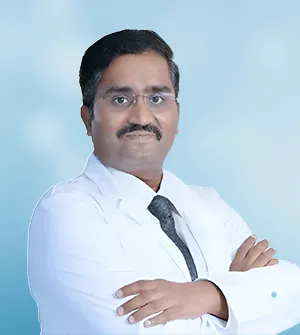
Dr. Suresh P.L., MDS
Founder & Consultant Oral and Maxillofacial Surgeon
Founder of Gnathos Facial. Consultant oral and maxillofacial surgeon with more than 20 years of practice in Hyderabad, focused on TMJ disorders, orthognathic (jaw) surgery, facial trauma and oral cancer surgery. Member of AOMSI and IAOMS.
-
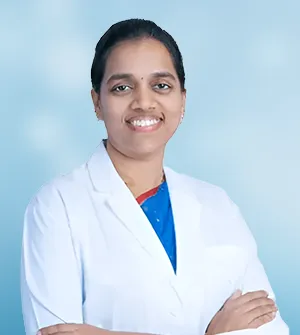
Dr. Navatha Mortha, MDS
Consultant Oral and Maxillofacial Surgeon
Consultant oral and maxillofacial surgeon with more than 15 years of experience, leading the practice's TMJ arthroscopy, orthognathic surgery and reconstructive nasal work. Member of AOMSI.
Surgery is performed at NABH-accredited partner hospitals in Hyderabad (CARE Hospitals, KIMS, Apollo Spectra, Yashoda).
Patient guides on this topic
Read before your consultation
- Reconstruction · 9 min Skin Graft vs Flap: How Facial Defects Are Reconstructed Read guide →
- Facial Trauma · 10 min Understanding Facial Trauma Management Read guide →
- Facial Trauma · 15 min Facial Trauma First Aid Read guide →
Book a consultation
Get a specialist opinion on facial Wound Repair Surgery.
Book a consultation with Dr. Suresh P.L. or Dr. Navatha Mortha in Gachibowli, Hyderabad. Every plan starts with an examination and an honest discussion of options, including non-surgical ones.
- Clinic
- Regency Prime, Jayabheri Pine Valley,
Gachibowli, Hyderabad 500032 - Hours
- Mon–Thu 8:00–17:00 · Fri 8:00–13:00
Facial trauma line: 24/7
Request a call back
Three fields. A coordinator will call you to fix a time.