
Medically reviewed by Dr. Suresh P.L., MDS ·
Expert Oral Cyst & Tumor Treatment
Experience precise diagnosis and expert surgical care for oral cysts and tumors with Dr. Suresh P.L. at CARE Hospitals, HITEC City. From benign lesions to complex reconstructions.
Gnathos Facial · Hyderabad
Oral examination in modern clinical setting
Recognizing Oral Cysts & Tumors
Early detection of oral lesions is crucial for effective treatment. Understanding the signs and symptoms can help you seek timely care.
Persistent Swelling
Unexplained swelling or lump in the mouth, jaw, or neck that doesn't resolve within 2 weeks may indicate an oral lesion requiring evaluation.
Non-Healing Ulcers
Mouth ulcers or sores that persist for more than 2 weeks, especially those that are painless, warrant professional examination.
Nerve Symptoms
Numbness, tingling, or altered sensation in the lips, tongue, chin, or cheek can indicate nerve involvement and requires prompt evaluation.
Types of Oral Cysts & Tumors We Treat
Our expertise covers a comprehensive range of benign and malignant oral pathologies, each requiring specialized diagnostic and treatment approaches.
Odontogenic Cysts
Including dentigerous cysts, radicular cysts, and periodontal cysts arising from tooth-forming structures.
Non-Odontogenic Lesions
Nasopalatine duct cysts, nasolabial cysts, and other developmental cysts of the oral and maxillofacial region.
Benign Tumors
Ameloblastomas, odontomas, cementoblastomas, and other benign neoplasms requiring surgical management.
Salivary Gland Pathology
Mucoceles, salivary gland tumors, and obstructive salivary diseases affecting oral function and comfort.
Potentially Malignant Disorders
Leukoplakia, erythroplakia, oral submucous fibrosis, and other precancerous conditions requiring close monitoring.
Bone Pathology
Central giant cell granulomas, aneurysmal bone cysts, and other osseous lesions requiring specialized surgical care.
The Surgical Journey: Our Clinical Protocol
A meticulous, step-by-step approach ensuring accurate diagnosis, optimal treatment outcomes, and comprehensive patient care.
Comprehensive Diagnosis
Every treatment journey begins with accurate diagnosis. We utilize advanced imaging including CBCT scans and perform incisional or excisional biopsies for histopathological examination. This critical step determines the exact nature of the lesion and guides our treatment planning.
- check_circle High-Resolution CBCT Imaging
- check_circle Image-Guided Biopsy Procedures
- check_circle Histopathological Analysis
Gnathos Facial · Hyderabad
Diagnostic imaging and biopsy procedure
Gnathos Facial · Hyderabad
Surgical procedure in hospital setting
Surgical Intervention
Based on the diagnosis, we perform definitive surgical treatment ranging from marsupialization and enucleation to radical resection for malignant lesions. Our approach prioritizes complete removal while preserving surrounding healthy tissue and function.
- check_circle Complete Lesion Excision
- check_circle Reconstructive Planning
- check_circle Frozen Section Analysis
Reconstruction & Follow-up
Following lesion removal, we provide comprehensive reconstructive care and establish long-term surveillance protocols. Regular follow-up ensures early detection of any recurrence and supports optimal healing and functional recovery.
- check_circle Bone Grafting & Reconstruction
- check_circle Long-term Monitoring Protocol
- check_circle Multidisciplinary Care Coordination
Gnathos Facial · Hyderabad
Post-surgical consultation and recovery
Comprehensive Recovery Timeline
What to expect during your healing journey following cyst or tumor removal surgery.
Days 1-7
Initial HealingFocus on rest, managing swelling, and maintaining oral hygiene. A soft or liquid diet is recommended during this phase. Suture removal typically occurs at 7-10 days if non-dissolvable sutures were used.
- Ice therapy for swelling management
- Antibiotics and pain medication
- Sutures removed at first follow-up
Weeks 2-4
Tissue RecoveryGradual return to normal activities. Gradual transition to a regular diet as comfort allows. Histopathology results are typically available during this period for discussion.
- Return to light daily activities
- Histopathology results review
- Gradual diet normalization
3-6 Months
Ongoing SurveillanceLong-term monitoring phase to ensure complete healing and early detection of any recurrence. Imaging follow-up may be scheduled at regular intervals based on the lesion type.
- Regular clinical examinations
- Radiographic monitoring as indicated
- Long-term follow-up protocol established
Preparing for Your Consultation
To make the most of your initial evaluation for oral pathology concerns, we recommend preparing the following information before your visit.
-
medical_information
Previous Imaging & Records Bring any previous dental X-rays, CT scans, or biopsy reports if available.
-
list_alt
Symptom Documentation Note when you first noticed the lesion, any changes in size, color, or symptoms you've experienced.
-
medication
Medical History Complete list of medications, allergies, previous surgeries, and relevant medical conditions.
Gnathos Facial · Hyderabad
Advanced diagnostic imaging equipment
Advanced Diagnostic Technology
Accurate diagnosis is the foundation of effective oral pathology treatment. We employ modern imaging and laboratory facilities for precise lesion characterization.
-
check_circle
CBCT Imaging 3D Cone Beam CT provides detailed bone assessment and precise lesion mapping for surgical planning.
-
check_circle
Ultrasound Evaluation Non-invasive soft tissue imaging to characterize salivary gland lesions and superficial oral masses.
-
check_circle
Histopathological Analysis On-site laboratory processing with expert oral pathologist review for definitive diagnosis.
Comprehensive Treatment Pathways
We tailor treatment approaches based on the specific pathology, lesion characteristics, and patient needs—from conservative management to complex reconstruction.
Diagnostic & Monitoring
-
Incisional Biopsy
Tissue sampling for histopathological analysis when full lesion removal is not immediately indicated.
-
Active Surveillance
For certain potentially malignant disorders, regular monitoring with photographic documentation may be appropriate.
-
Medical Management
Antifungal therapy, immunosuppressive medications, or other pharmaceutical approaches for specific oral pathologies.
Surgical Interventions
-
Marsupialization
Conservative technique converting a closed cyst into an open pouch, allowing decompression and gradual resolution.
-
Enucleation
Complete surgical removal of the cyst or tumor sac, preserving surrounding vital structures.
-
Segmental Resection
For larger lesions or aggressive tumors, include removal of associated bone and soft tissue with reconstruction.
Frequently Asked Questions
Common concerns about oral cyst and tumor treatment and recovery.
Are all oral cysts and tumors cancerous? keyboard_arrow_down
Will I need general anesthesia for cyst removal? keyboard_arrow_down
How long does it take for the biopsy results? keyboard_arrow_down
Can oral cysts recur after removal? keyboard_arrow_down
Will I need bone grafting after cyst removal? keyboard_arrow_down
Your surgeons
Consultant oral & maxillofacial surgeons
-
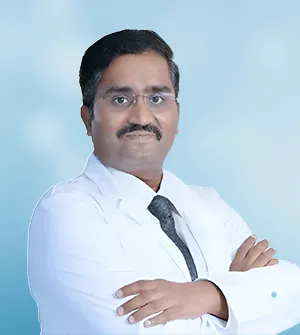
Dr. Suresh P.L., MDS
Founder & Consultant Oral and Maxillofacial Surgeon
Founder of Gnathos Facial. Consultant oral and maxillofacial surgeon with more than 20 years of practice in Hyderabad, focused on TMJ disorders, orthognathic (jaw) surgery, facial trauma and oral cancer surgery. Member of AOMSI and IAOMS.
-
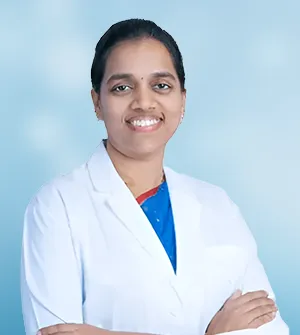
Dr. Navatha Mortha, MDS
Consultant Oral and Maxillofacial Surgeon
Consultant oral and maxillofacial surgeon with more than 15 years of experience, leading the practice's TMJ arthroscopy, orthognathic surgery and reconstructive nasal work. Member of AOMSI.
Surgery is performed at NABH-accredited partner hospitals in Hyderabad (CARE Hospitals, KIMS, Apollo Spectra, Yashoda).
Patient guides on this topic
Read before your consultation
- Cysts & Tumours · 9 min Jaw Cysts: Symptoms, Types and Surgical Treatment Read guide →
- Cysts & Tumours · 8 min Ameloblastoma: The Jaw Tumour Explained Read guide →
- Facial Swelling · 9 min Facial Swelling From a Tooth Infection: When Is It an Emergency? Read guide →
Book a consultation
Get a specialist opinion on oral Cyst & Tumor Treatment.
Book a consultation with Dr. Suresh P.L. or Dr. Navatha Mortha in Gachibowli, Hyderabad. Every plan starts with an examination and an honest discussion of options, including non-surgical ones.
- Clinic
- Regency Prime, Jayabheri Pine Valley,
Gachibowli, Hyderabad 500032 - Hours
- Mon–Thu 8:00–17:00 · Fri 8:00–13:00
Facial trauma line: 24/7
Request a call back
Three fields. A coordinator will call you to fix a time.