
Medically reviewed by Dr. Suresh P.L., MDS ·
Skin Loss Treatment on Face in Hyderabad
Expert skin loss treatment and skin transplant surgery at CARE Hospitals, HITEC City. Our maxillofacial surgeons specialize in facial tissue reconstruction, skin graft surgery, and comprehensive treatment for all types of facial skin loss.
Gnathos Facial · Hyderabad
Skin loss treatment consultation
Causes of Facial Skin Loss We Treat
Our skin loss treatment addresses various conditions causing facial tissue damage, from traumatic injuries to medical conditions and their treatments.
Burn Injuries
Thermal, chemical, electrical, or radiation burns causing facial skin damage requiring reconstruction.
Traumatic Injuries
Road accidents, industrial injuries, or sports injuries causing skin avulsion or tissue loss.
Surgical Removal
Skin loss following tumor removal, skin cancer excision, or other surgical procedures.
Infections
Skin necrosis from bacterial infections, necrotizing fasciitis, or other serious skin conditions.
Vascular Compromise
Skin death from poor blood supply, vascular occlusion, or complications of medical conditions.
Animal Bites
Dog bites, human bites, or other animal-related injuries causing tissue loss on the face.
The Surgical Journey: Our Clinical Protocol
A systematic approach to skin loss treatment ensuring optimal coverage, healing, and functional and aesthetic restoration.
Comprehensive Assessment
Every skin loss treatment begins with thorough evaluation of the defect. We assess the size, depth, and location of the skin loss, the quality of surrounding tissue, and any underlying structures involved. This helps us determine the most appropriate reconstruction technique for your specific situation and discuss realistic expectations.
- check_circle Detailed defect assessment
- check_circle Surrounding tissue quality evaluation
- check_circle Customized treatment planning
Gnathos Facial · Hyderabad
Surgeon assessing skin loss on face
Gnathos Facial · Hyderabad
Skin transplant surgery in progress
Skin Transplant & Reconstruction
For skin loss treatment on face, we perform skin transplant surgery or flap reconstruction. Skin grafts involve transplanting skin from a donor site to cover the defect. For larger or more complex defects, we may use local flaps with intact blood supply or free tissue transfer with microvascular anastomosis for optimal results.
- check_circle Split-thickness skin graft surgery
- check_circle Full-thickness skin graft for facial areas
- check_circle Local and free flap reconstruction
Recovery & Healing
Post-operative care is crucial for successful skin loss treatment. We provide comprehensive wound care protocols, monitor for graft or flap viability, and guide you through the healing process. Long-term scar management and follow-up ensure the best possible functional and aesthetic outcome.
- check_circle Graft/flap monitoring protocols
- check_circle Structured wound care and dressing changes
- check_circle Long-term outcome monitoring
Gnathos Facial · Hyderabad
Patient recovery consultation after skin loss treatment
Skin Loss Treatment Options
We offer various reconstruction techniques tailored to the size, depth, and location of facial skin loss for optimal outcomes.
Split-Thickness Skin Graft
Large DefectsA thin layer of skin is taken from a donor site (typically thigh or buttocks) and applied to the facial defect. This technique is reliable and works well for large surface areas but may have color and texture differences.
- Reliable graft take even on compromised beds
- Good for large facial defects
- Can be meshed for better drainage
Full-Thickness Skin Graft
Cosmetic AreasThe entire thickness of skin is taken from the donor site (often behind the ear, groin, or inner arm) and applied to the defect. This provides better color and texture match for visible facial areas.
- Superior color and texture match
- Better for cosmetic facial areas
- Contracts less than split-thickness grafts
Flap Reconstruction
Complex CasesFor complex defects, especially those involving exposed bone, cartilage, or deep structures, flap reconstruction is preferred. Tissue with its blood supply is moved to cover the defect, providing better coverage and healing potential.
- Superior blood supply and healing
- Better for deep or complex defects
- Local or free flap options available
Preparing for Your Consultation
To help us understand your condition and create the most effective treatment plan, please prepare the following information for your consultation.
-
history
Medical History Complete information about the cause of skin loss, when it occurred, and any treatments already received.
-
medical_information
Health Conditions List of medical conditions, especially diabetes, vascular disease, or immune disorders that may affect healing.
-
photo_library
Photographs Current photographs of the affected area to help us assess the extent of skin loss.
Treatment Approaches for Facial Skin Loss
Treatment is tailored to the cause, extent, and location of skin loss. We offer both surgical and conservative management options.
Conservative Management
-
Wound Care
For small areas of skin loss, specialized dressings and proper wound care may allow natural healing.
-
Second-Intention Healing
Small defects in certain facial areas may heal well on their own with proper care and monitoring.
-
Scar Management
Silicone therapy and other treatments to minimize scarring as the wound heals.
Surgical Interventions
-
Skin Graft Surgery
Transplantation of skin from a donor site to cover the defect with split or full-thickness grafts.
-
Flap Reconstruction
Movement of tissue with blood supply intact for complex defects requiring robust coverage.
-
Tissue Expansion
Staged procedure to grow extra skin for replacement of large areas of skin loss.
Frequently Asked Questions
Common concerns about skin loss treatment and recovery.
Will the skin graft or flap match my skin color? keyboard_arrow_down
How long does it take for a skin graft to heal? keyboard_arrow_down
What happens if a skin graft fails? keyboard_arrow_down
Will I have visible scarring from skin loss treatment? keyboard_arrow_down
Can skin loss on the face be treated without surgery? keyboard_arrow_down
How do I care for the skin graft after surgery? keyboard_arrow_down
Your surgeons
Consultant oral & maxillofacial surgeons
-

Dr. Suresh P.L., MDS
Founder & Consultant Oral and Maxillofacial Surgeon
Founder of Gnathos Facial. Consultant oral and maxillofacial surgeon with more than 20 years of practice in Hyderabad, focused on TMJ disorders, orthognathic (jaw) surgery, facial trauma and oral cancer surgery. Member of AOMSI and IAOMS.
-
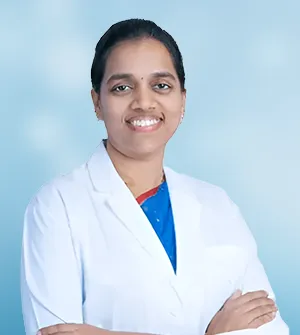
Dr. Navatha Mortha, MDS
Consultant Oral and Maxillofacial Surgeon
Consultant oral and maxillofacial surgeon with more than 15 years of experience, leading the practice's TMJ arthroscopy, orthognathic surgery and reconstructive nasal work. Member of AOMSI.
Surgery is performed at NABH-accredited partner hospitals in Hyderabad (CARE Hospitals, KIMS, Apollo Spectra, Yashoda).
Patient guides on this topic
Read before your consultation
- Reconstruction · 9 min Skin Graft vs Flap: How Facial Defects Are Reconstructed Read guide →
- Facial Trauma · 9 min Orbital (Eye Socket) Fracture: Symptoms, Treatment and Recovery Read guide →
- Facial Trauma · 8 min Broken Cheekbone (Zygomatic Fracture): Signs, Surgery and Recovery Read guide →
Book a consultation
Get a specialist opinion on skin Loss Treatment on Face.
Book a consultation with Dr. Suresh P.L. or Dr. Navatha Mortha in Gachibowli, Hyderabad. Every plan starts with an examination and an honest discussion of options, including non-surgical ones.
- Clinic
- Regency Prime, Jayabheri Pine Valley,
Gachibowli, Hyderabad 500032 - Hours
- Mon–Thu 8:00–17:00 · Fri 8:00–13:00
Facial trauma line: 24/7
Request a call back
Three fields. A coordinator will call you to fix a time.