.png)


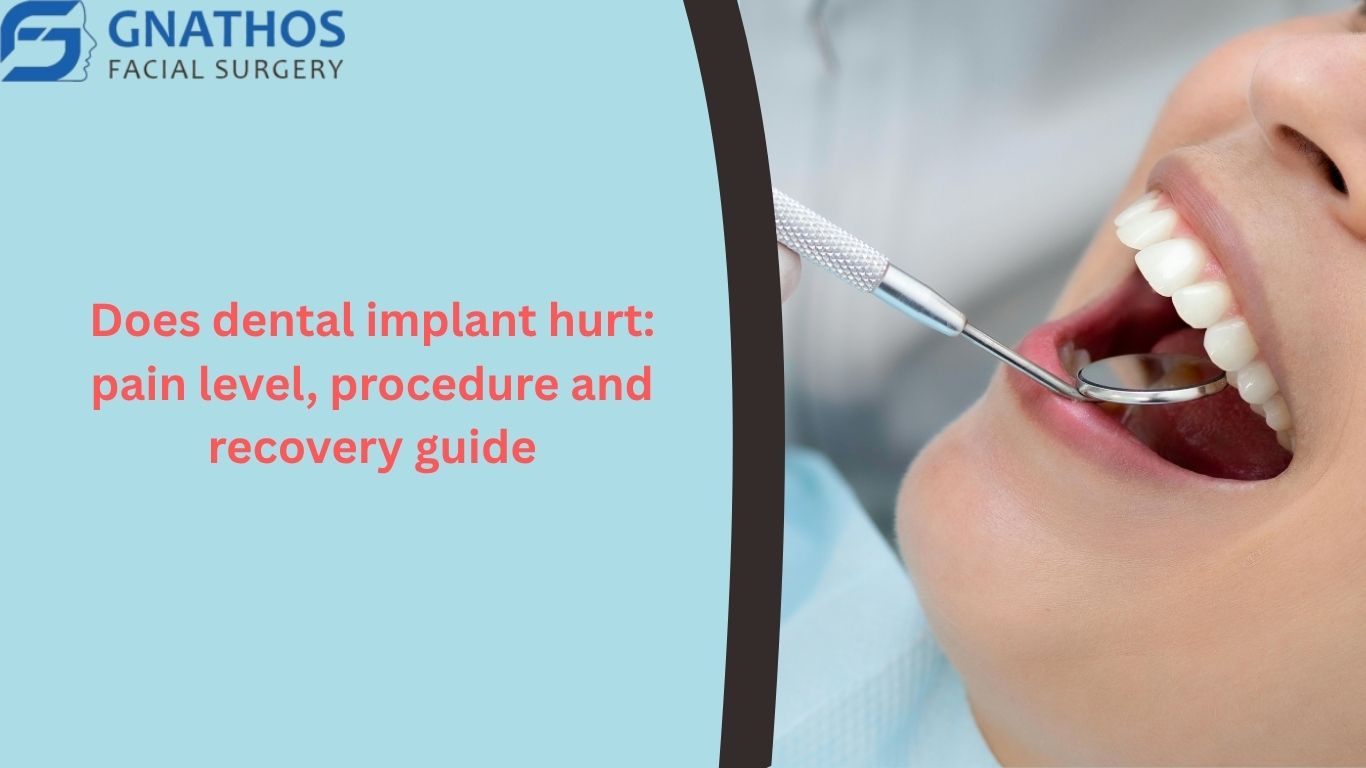
The thought of undergoing oral surgery can trigger anxiety for almost anyone. If you are dealing with a missing tooth or preparing for an extraction, you have likely asked yourself: does dental implant hurt?
Many people put off replacing their missing teeth because they fear the pain associated with dental drills, titanium posts, and the healing period. Unfortunately, this delay often leads to severe bone loss, shifting of adjacent teeth, and further complex oral health complications.
The good news is that the reality of the surgery is far less intimidating than the myths surrounding it. Thanks to modern anesthetics, precise diagnostic tools, and advanced surgical techniques, getting a tooth replacement is a highly manageable and surprisingly comfortable experience. In this comprehensive guide, we will break down the expected pain levels, explain the surgical procedure step-by-step, and provide a thorough recovery guide to put your mind at ease.
What is a Dental Implant?
Before understanding the pain levels involved, it is important to know exactly what the procedure entails. A dental implant is currently the gold standard for missing tooth replacement. Unlike dentures or dental bridges that simply sit on the surface of the gums, implants are structurally designed to mimic a natural tooth from the root to the crown.
An implant consists of three main components:
- The Titanium Post: This is a small, screw-like cylinder surgically placed directly into your jawbone. Titanium is biocompatible, meaning the body naturally accepts it.
- The Abutment: This acts as a connector piece. Once the titanium post has fully fused with the bone, the abutment is attached to the top of it.
- The Crown: This is the visible part of the tooth. Custom-made to match the color, shape, and size of your natural teeth, the crown is cemented or screwed onto the abutment.
Why Do People Need Dental Implants?
Teeth can be lost for a variety of reasons, including severe tooth decay, advanced gum disease (periodontitis), or facial trauma resulting from an accident.
When a tooth is lost, the underlying jawbone loses the daily stimulation it needs from chewing. Over time, this lack of stimulation causes the bone to resorb or melt away. This can alter your facial structure, causing the cheeks to sag and giving you an aged appearance. Implants are the only restorative dental option that stimulates the jawbone, preventing this bone deterioration. Furthermore, they restore full chewing function and aesthetic confidence, allowing patients to eat, speak, and smile without hesitation.
The Big Question: does dental implant hurt?
Let us address the primary concern directly: does dental implant hurt during the actual surgery? The short answer is no.
During the surgical placement of the titanium post, you will be administered local anesthesia. This completely numbs the surgical site, including the gums and the underlying jawbone. While you will feel some pressure and vibration from the dental tools, you will not experience any sharp pain.
Furthermore, the jawbone actually contains very few pain-sensing nerve endings compared to the soft gum tissue or the root of a natural tooth. Because the drilling occurs in the bone rather than highly sensitive tissue, the procedure itself is largely painless. For patients with high dental anxiety, an oral surgeon can also provide sedation options—such as nitrous oxide (laughing gas), oral sedatives, or even IV sedation—to ensure you remain entirely relaxed and unaware of the surgery.
The Dental Implant Procedure Step-by-Step
Understanding the timeline of the treatment can significantly reduce surgical anxiety. While every patient’s case is unique, the standard procedure follows a predictable flow.
1. Diagnosis and Treatment Planning
Your journey begins with a thorough consultation. The surgeon will take 3D CBCT scans of your mouth to evaluate your jawbone density and locate vital structures like nerves and sinuses. If you are unsure who should perform this surgery, understanding the difference between a dentist and a maxillofacial surgeon is crucial, as complex placements require specialized surgical expertise.
2. Preparatory Surgeries (If Needed)
If your jawbone is too thin or soft to support an implant, you may require bone grafting or jaw reconstruction beforehand. This involves adding bone grafting material to the area to create a solid foundation.
3. Implant Placement Surgery
Once the jaw is ready and fully numbed with local anesthesia, the surgeon makes a small incision in the gum to expose the bone. A specialized drill is used to create a precise space, and the titanium post is carefully inserted. The gums are then stitched closed over the implant.
4. The Osseointegration Phase
This is the most critical part of the process. Over the next three to six months, a biological process called “osseointegration” occurs. Your jawbone will naturally grow around the titanium post, fusing it permanently into place.
5. Placing the Abutment and Crown
After successful osseointegration, a minor second procedure is done to expose the top of the implant and attach the abutment. After a brief healing period for the gums, your custom-designed final crown is permanently attached.
Pain Levels: Dental Implant vs. Tooth Extraction
Many patients wonder how implant surgery compares to other common procedures. Surprisingly, most patients report that getting an implant hurts less than having a tooth extracted.
| Comparison Criteria | Dental Implant Placement | Tooth Extraction |
| Surgical Pain | Zero (Area is completely numb) | Zero (Area is completely numb) |
| Nerve Endings Involved | Very few (Jawbone lacks nerve density) | High (Ligaments and nerves around tooth root) |
| Post-Operative Pain | Mild soreness for 1–3 days | Moderate aching and throbbing for 3–5 days |
| Tissue Trauma | Very precise, minimal trauma | Can require significant force to remove roots |
Expected Side Effects and Risks
While the procedure is highly safe when performed by experienced professionals at Gnathos Face, it is still a surgery. Once the local anesthesia wears off, it is normal to experience some mild side effects as your body begins the healing process.
- Mild to Moderate Swelling: Swelling around the gums and cheeks is completely normal and usually peaks 48 hours after surgery.
- Minor Bruising: You may notice some slight bruising on your skin or gums.
- Slight Bleeding: Minor oozing from the surgical site is common for the first 24 hours.
- Discomfort and Soreness: You will feel a dull ache in the jaw and gums, similar to a localized bruise.
In rare cases, risks such as infection, nerve damage, or implant failure can occur. This is why choosing a highly qualified specialist is imperative for your safety and long-term success.
Dental Implant Recovery Guide and Prevention Tips
Proper aftercare is the key to minimizing pain and ensuring the long-term success of your new tooth. Follow these recovery guidelines to support a smooth healing process.
The First 24 to 48 Hours
- Apply Cold Compresses: Use an ice pack on the outside of your face (15 minutes on, 15 minutes off) to reduce inflammation and facial swelling treatment needs.
- Take Prescribed Medication: Take your prescribed pain relievers or over-the-counter anti-inflammatory medications (like Ibuprofen) exactly as directed before the anesthesia wears off.
- Eat Soft Foods: Stick to a liquid and soft food diet. Think yogurt, applesauce, mashed potatoes, and lukewarm soups. Avoid chewing on the side of the surgery.
- Avoid Suction: Do not use straws, do not spit forcefully, and do not smoke. The suction can dislodge the blood clot forming over the surgical site, leading to a painful condition called dry socket.
Days 3 to 7
- Warm Salt Water Rinses: Gently rinse your mouth with warm salt water 2–3 times a day to keep the surgical site clean and promote soft tissue healing.
- Transition Your Diet: You can slowly introduce semi-soft foods like pasta and scrambled eggs.
- Maintain Oral Hygiene: Brush your other teeth normally, but be extremely gentle around the surgical site.
Long-Term Care
Once healed, treat your new tooth just like a natural one. Brush twice a day, floss daily, and attend regular dental check-ups to prevent gum disease from forming around the base.
When to See a Doctor
While mild discomfort is part of the normal healing timeline, certain symptoms require immediate professional attention. You should contact your oral surgeon if you experience:
- Severe, throbbing pain that worsens after the first few days.
- Swelling that continues to increase after 48 hours.
- A fever or chills, which indicates a systemic infection.
- Continuous, heavy bleeding that does not stop with applied pressure.
- Numbness or tingling in your lips, tongue, or chin that lasts for days after the surgery.
Conclusion
If you have been holding back on restoring your smile because you find yourself worrying, does dental implant hurt, rest assured that the procedure is incredibly safe and well-tolerated by most patients. With the use of modern anesthesia and precision surgical planning, the placement of the titanium post involves minimal trauma to your jaw. By following a strict post-operative care routine, you can manage any minor soreness easily and get back to your normal life quickly.
Investing in your oral health is one of the best decisions you can make. If you are ready to regain your confidence and your bite, take the next step.
Book an appointment with the leading specialists to discuss your personalized treatment plan. Contact us today to schedule your consultation.
Frequently Asked Questions
Q: Does dental implant hurt more than a root canal?
A: Most patients report that an implant procedure is actually less painful than a root canal or a tooth extraction. Because the drilling is done in the bone, which has very few nerve endings, the surgical pain is non-existent, and the recovery pain is highly manageable with standard medication.
Q: How long does the pain last after the procedure?
A: The most noticeable discomfort typically lasts for the first 24 to 72 hours. After three days, the swelling and soreness should steadily decrease. By the end of the first week, most patients feel completely back to normal.
Q: Can I be put to sleep during the implant placement?
A: Yes. If you suffer from severe dental anxiety, your oral and maxillofacial surgeon can offer various sedation dentistry options, including IV sedation or general anesthesia, so you sleep entirely through the procedure.
Q: What is the best painkiller after implant surgery?
A: For most patients, over-the-counter anti-inflammatory medications like Ibuprofen (Advil or Motrin) are highly effective at managing the post-operative soreness and reducing swelling. Your surgeon may prescribe stronger medication for complex cases.
Q: How do I know if my dental implant is failing?
A: Signs of a failing implant include severe pain that radiates through the jaw, inflamed and bleeding gums around the post, a loosened sensation in the implant, or visible pus. If you notice any of these symptoms, contact your surgeon immediately for an evaluation.