.png)


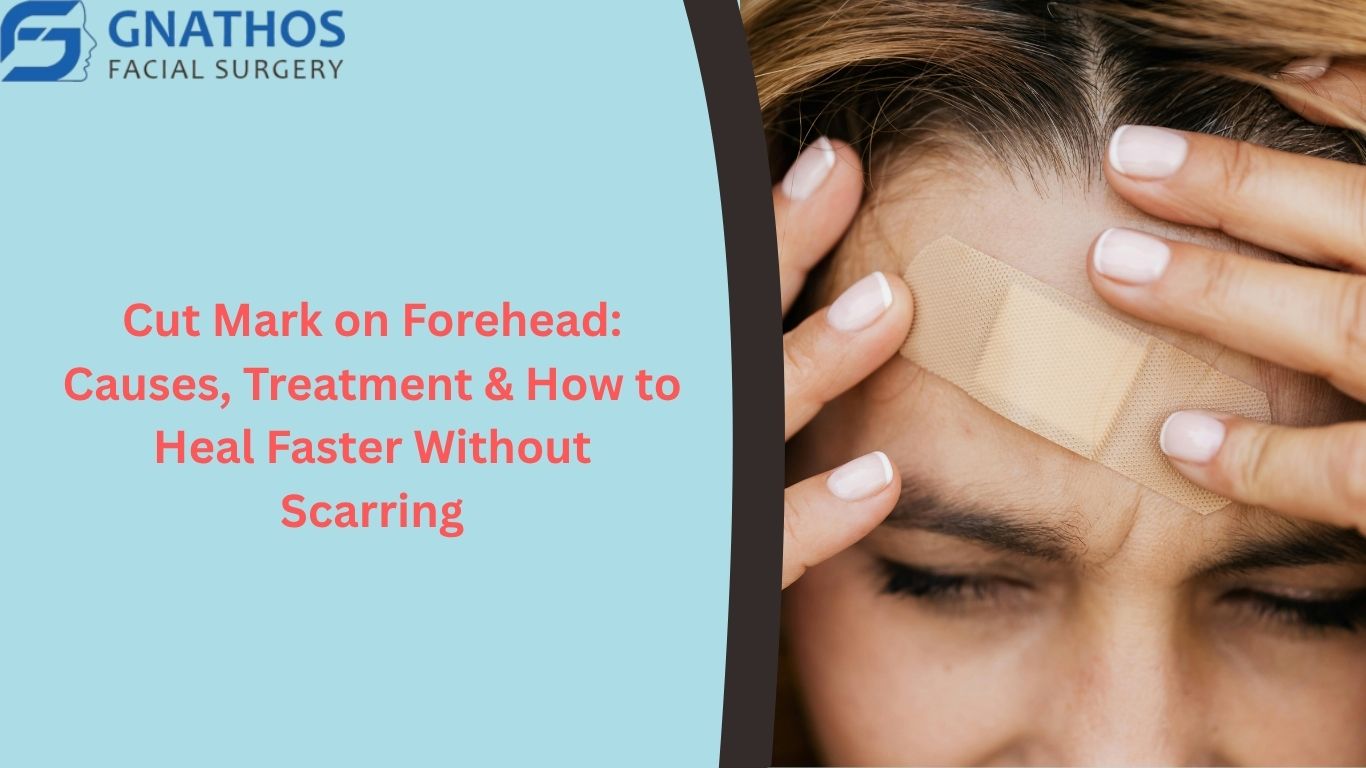
Accidents happen in a split second, but a cut mark on forehead can leave a lasting impression if not handled correctly. Because the skin on your face is thin and stretched tightly over the skull, even a minor laceration can bleed significantly or lead to noticeable scarring. Whether it is a kitchen mishap, a fall, or a sports injury, knowing how to manage a cut mark on forehead immediately can make the difference between a faint line and a permanent scar. This guide provides a comprehensive look at treating facial wounds, accelerating the healing process, and utilizing professional aesthetic solutions to keep your skin looking its best.
What is a Cut Mark on Forehead?
A cut or laceration on the forehead is a break in the skin’s surface caused by a sharp object or blunt force trauma. Because the forehead has a high density of blood vessels, these injuries often appear more severe than they are due to heavy bleeding. Unlike other parts of the body, the forehead moves constantly with facial expressions, which can tension the wound and increase the risk of a wider scar. Understanding the depth and nature of the cut mark on forehead is essential for choosing the right treatment path.
Common Causes of Forehead Lacerations
Facial injuries occur for a variety of reasons, and the cause often determines the type of wound:
- Falls: This is the most common cause, especially in children and the elderly, where the head hits a hard edge like a table or floor.
- Sharp Object Injuries: Kitchen knives, broken glass, or metal edges can create clean, deep incisions.
- Blunt Force Trauma: Sports injuries or car accidents often cause “burst” lacerations, which have more jagged edges than a clean cut.
- Occupational Hazards: Construction or manual labor environments carry a higher risk of impacts resulting in a cut mark on forehead.
Symptoms and Initial Assessment
When you first sustain a cut mark on forehead, you may notice several immediate symptoms:
- Brisk Bleeding: The scalp and forehead are highly vascular.
- Gaping Skin: If the cut is deep, the edges of the skin may pull apart.
- Swelling and Bruising: Inflammation usually peaks within 24–48 hours.
- Localized Pain: Tenderness around the site of the injury.
Diagnosis: Evaluating the Severity
Most minor cuts can be managed at home, but a professional diagnosis is necessary if the wound is deep. A specialist at Gnathos Face will evaluate:
- Wound Depth: Does it involve the muscle or bone?
- Nerve Function: Can you still move your eyebrows? (Checking for facial nerve damage).
- Contamination: Is there dirt or debris stuck inside the cut?
- Tension: Is the wound located in a “high-tension” area that will pull apart when you smile or frown?
Treatment Options for a Cut Mark on Forehead
The goal of treatment is to stop bleeding, prevent infection, and minimize the eventual scar.
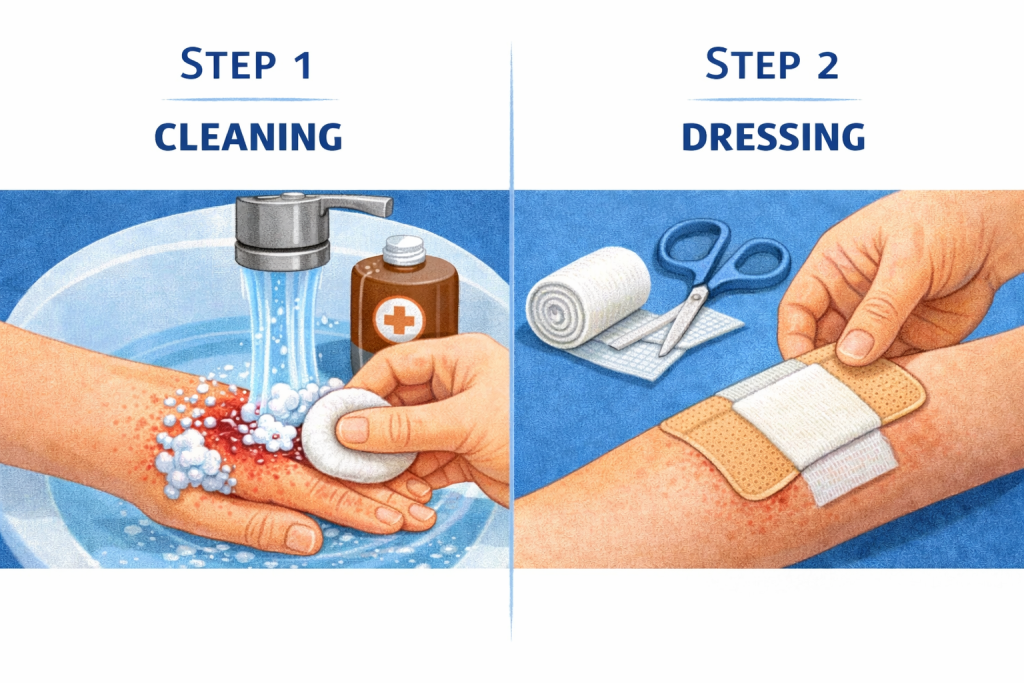
1. Immediate Home Care
- Apply Pressure: Use a clean cloth and apply steady pressure for 5–10 minutes.
- Clean the Area: Once bleeding stops, wash with mild soap and water. Avoid harsh hydrogen peroxide, which can damage healthy tissue.
- Antibiotic Ointment: Apply a thin layer to keep the wound moist and protected.
2. Professional Medical Treatment
If the cut mark on forehead is longer than half an inch or continues to gap, you may need:
- Stitches (Sutures): This is the gold standard for clean closure and minimal scarring.
- Skin Glue (Dermabond): Often used for minor, straight cuts in children.
- Steri-Strips: Adhesive tapes that hold the skin edges together for superficial wounds.
3. Advanced Aesthetic Treatments
For those worried about the long-term visibility of the mark, facial aesthetic procedures can help. Options like laser resurfacing or specialized scar revision surgery can significantly improve the skin’s texture once the initial wound has closed.
Comparison: Home Care vs. Professional Treatment
| Feature | Home Care | Professional Treatment |
|---|---|---|
| Wound Depth | Superficial/Scratches | Deep or Gaping |
| Bleeding | Stops within 10 mins | Persistent or Pulsing |
| Scar Risk | Moderate | Minimized with expert closure |
| Infection Risk | Higher if not cleaned | Lower (Sterile environment) |
Risks and Potential Side Effects
If a cut mark on forehead is not treated correctly, several complications can arise:
- Infection: Redness, pus, or fever are signs the wound is infected.
- Keloids or Hypertrophic Scars: Excessive scar tissue that becomes raised and itchy.
- Permanent Pigmentation: The area may heal darker or lighter than the surrounding skin.
- Tissue Adhesion: The skin can sometimes heal “stuck” to the underlying bone, creating a tethered look.
Recovery and How to Heal Faster Without Scarring
Healing a cut mark on forehead requires patience and specific care steps to ensure the best cosmetic outcome:
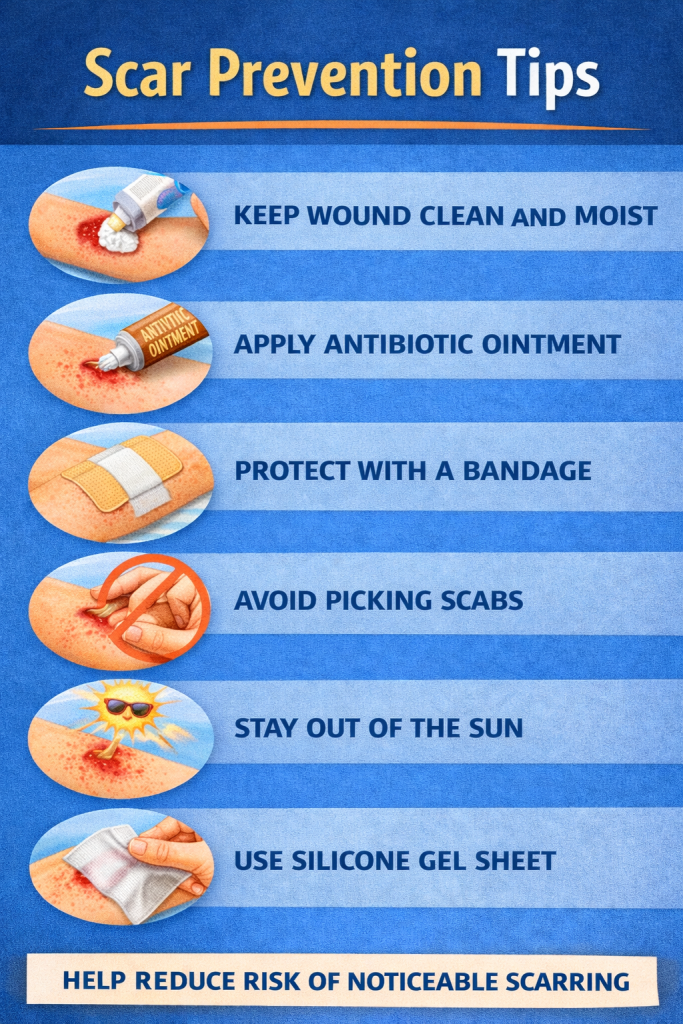
- Keep it Moist: A dry wound forms a hard scab, which can slow down new skin growth and lead to worse scarring. Use petroleum jelly or prescribed ointments.
- Sun Protection: Once the wound closes, keep it covered or use SPF 50. UV rays darken scars permanently (hyperpigmentation).
- Avoid Tension: Try not to raise your eyebrows excessively while the wound is fresh.
- Silicon Sheets: Once healed, using silicone gel or sheets can help flatten the scar.
- Consult an Expert: If the healing looks uneven, a maxillofacial surgeon can provide specialized advice on tissue repair.
When to See a Doctor
You should visit a specialist clinic immediately if:
- The cut is on the eyelid or near the eye.
- The edges of the skin are jagged or won’t stay together.
- You cannot move your forehead or feel numbness.
- There is debris (dirt/glass) that you cannot wash out.
- The injury was caused by a bite (animal or human).
Conclusion
A cut mark on forehead doesn’t have to result in a permanent blemish. By acting quickly to stop bleeding and seeking professional help for deep lacerations, you can ensure a smooth recovery. For the best aesthetic results, especially with facial injuries, it is often wise to consult with professionals who specialize in facial structures. Proper care, sun protection, and advanced treatments can help your skin return to its original state. Ready for a consultation? Book an appointment at Gnathos Face to discuss your wound care or scar management needs with our experts.
FAQs
How long does a cut mark on forehead take to heal?
Most superficial cuts heal within 7 to 10 days. However, the remodeling phase of the scar continues for 6 to 12 months, during which the mark will gradually fade from red to white.
Will I need stitches for a cut on my forehead?
If the cut is deeper than 1/4 inch, shows fat or muscle, or continues to gap when you move your face, you likely need stitches to ensure it heals without a thick scar.
Can I use Vaseline on a forehead cut?
Yes, keeping the wound moist with petroleum jelly is one of the best ways to prevent a hard scab and encourage faster, smoother skin regeneration.
How do I prevent a scar from a forehead injury?
The best prevention is proper initial closure (stitches if needed), keeping the wound moist, and strictly avoiding sun exposure on the healing tissue for at least 6 months.
Is a forehead cut more dangerous than other cuts?
While usually not life-threatening, they bleed more and have a higher cosmetic impact. There is also a small risk of injury to the underlying skull or facial nerves which requires professional evaluation.
Should I get a tetanus shot after a cut mark on forehead?
If the wound was caused by a dirty or rusty object and your last tetanus shot was more than 5-10 years ago, a booster is usually recommended.