.png)


Facial injuries can happen to anyone, whether from a sudden fall, a sports accident, or a surgical procedure. While the initial wound heals, the lingering scar can affect your self-esteem and confidence. If you are wondering how to remove injury marks from face, you are not alone. Facial skin is delicate and requires a specialized approach to ensure minimal scarring. Fortunately, with a combination of advanced clinical treatments, proper wound care, and targeted topical remedies, it is possible to significantly fade or even completely eliminate these marks. This guide explores the most effective ways to restore your skin’s natural appearance and texture.
What are Facial Injury Marks?
Injury marks, commonly known as scars, are the body’s natural way of healing and replacing lost or damaged skin. When the deeper layer of skin (the dermis) is damaged, the body forms collagen fibers to mend the gap. Because the body is in a “rush” to heal, this new tissue often has a different texture and quality than the surrounding skin. Depending on the nature of the injury, these marks can be flat, raised (hypertrophic), or sunken (atrophic). Understanding the specific type of scar you have is the first step in learning how to remove injury marks from face effectively.
Common Causes of Facial Scarring
The face is highly vascular, meaning it has a rich blood supply. While this helps in fast healing, the constant movement of facial muscles can sometimes stretch a healing wound, leading to wider scars. Common causes include:
- Accidental Trauma: Lacerations from falls or sharp objects.
- Surgical Scars: Marks left behind after corrective surgeries.
- Burns: Thermal or chemical burns that damage skin layers.
- Sports Injuries: Impact injuries that result in abrasions or deep cuts.
- Animal Bites: These often result in jagged marks that require specialized maxillofacial care.
Symptoms and Characteristics of Injury Marks
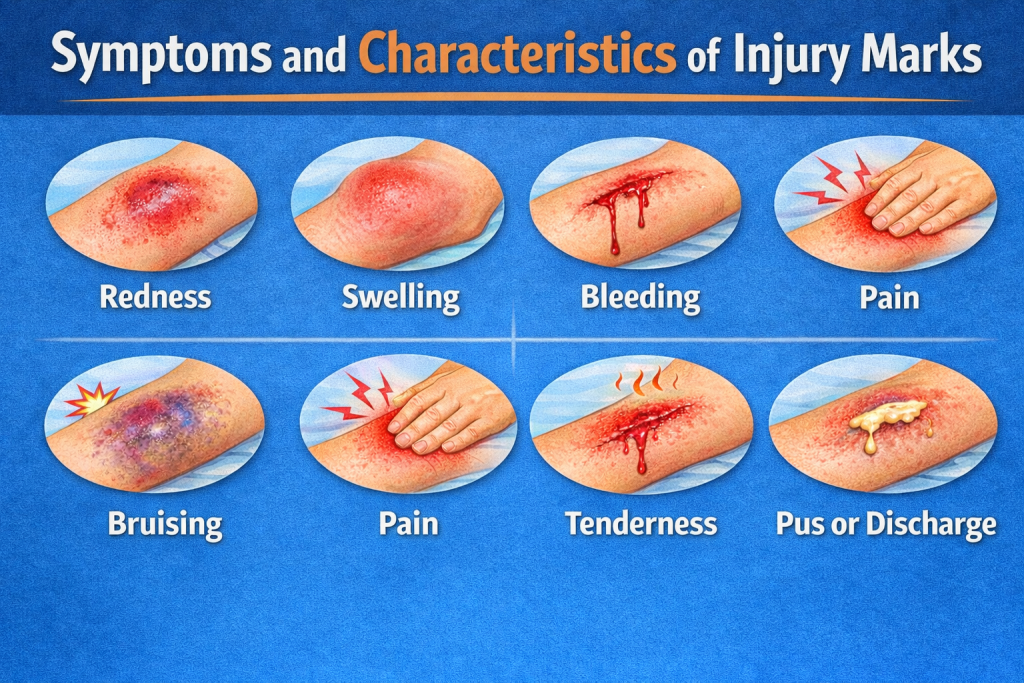
Not all injury marks look the same. Recognizing the characteristics can help in choosing the right treatment:
- Discoloration: Red, purple, or dark brown spots (hyperpigmentation).
- Textural Changes: Skin that feels harder, thicker, or bumpier than the rest of the face.
- Itching or Sensitivity: New scar tissue can often feel tight or itchy as nerves regenerate.
- Indentation: A “pitted” look often seen after deep abrasions or infections.
Diagnosis: Assessing the Depth of the Scar
Before starting any treatment, a professional assessment is vital. At Gnathos Face & Esthetics, specialists examine the scar’s age, depth, and location. Younger scars (under 6 months) often respond better to non-invasive treatments, while older, more established scars might require clinical intervention. Doctors use visual inspection and sometimes palpation to determine if the scar is tethered to the underlying muscle or bone, which is common in major facial trauma cases.
Clinical Treatment Options: How to Remove Injury Marks from Face
When home remedies aren’t enough, modern medical technology offers several powerful solutions.
1. Laser Skin Resurfacing
Laser therapy is one of the most popular methods. It uses focused beams of light to either remove the outer layer of skin or stimulate new collagen growth beneath the surface. This is highly effective for evening out skin tone and smoothing rough textures.
2. Chemical Peels
For superficial injury marks and discoloration, medical-grade chemical peels can help. They exfoliate the top layers of skin, allowing fresh, unscarred skin to surface.
3. Micro-needling
This process involves creating tiny micro-injuries in the skin to trigger the body’s natural healing response. It is excellent for “filling in” indented scars by boosting natural collagen production.
4. Dermal Fillers
If an injury has left a deep “hole” or depression in the face, dermal fillers can be used to plump the area, making the skin surface appear level and smooth instantly.
5. Surgical Scar Revision
In cases of severe, jagged, or wide scars, a surgeon may perform scar revision. This involves removing the old scar and re-joining the skin with precision techniques to create a much thinner, less noticeable line.
Comparison: Clinical vs. Home Remedies
| Feature | Clinical Treatments | Home Remedies |
|---|---|---|
| Effectiveness | High (Deep scars) | Low to Moderate (Minor marks) |
| Speed of Results | Fast (Weeks to Months) | Very Slow (Months to Years) |
| Cost | Professional investment | Low cost |
| Expertise Required | Specialist needed | Self-applied |
Potential Risks and Side Effects
While clinical treatments are safe when performed by experts, there are potential side effects to consider:
- Temporary Redness: Common after lasers or peels.
- Sensitivity to Sunlight: Post-treatment skin is very vulnerable to UV rays.
- Swelling: Usually subsides within a few days of a procedure. Always follow the post-care instructions provided by your cosmetic specialist to minimize these risks.
Recovery and Prevention Tips
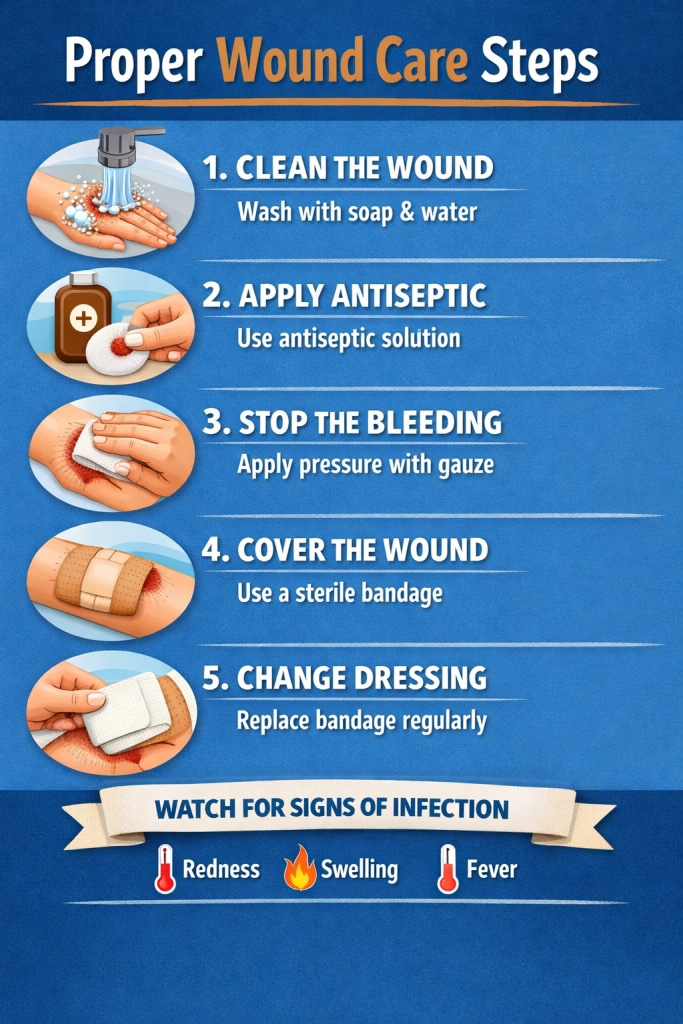
The best way to manage a scar is to treat the wound correctly from day one.
- Keep it Moist: Using petroleum jelly or antibiotic ointment prevents scabs from forming. Scabs actually slow down healing and can increase scarring.
- Sun Protection: This is the most critical step. UV rays darken scars and make them permanent. Use a broad-spectrum SPF 50 daily.
- Silicone Gel Sheets: These are gold-standard over-the-counter products that help flatten and soften raised scars.
- Massage: Once the wound is fully closed, gentle massage can break up the collagen bundles that cause stiffness.
When to See a Doctor
You should consult a specialist at Gnathos Face & Esthetics if:
- The scar is restricting facial movement (like opening your mouth or blinking).
- The mark is becoming raised, red, and itchy (signs of a keloid).
- The injury occurred recently and you want to ensure the stitches are done with aesthetic precision.
- You are unhappy with the appearance of an old scar and want to explore permanent removal options.
Conclusion
Learning how to remove injury marks from face requires patience and the right medical guidance. While some minor marks may fade with time and home care, significant injuries often require professional intervention to achieve a seamless look. By combining advanced technology like lasers or fillers with consistent sun protection and skin care, you can effectively minimize the reminders of past injuries. Your face deserves expert care to look its best. Ready to restore your skin? Consult a specialist at Gnathos Face & Esthetics today for a personalized scar management plan. Book an appointment to start your journey toward clearer, smoother skin.
FAQ Section
How long does it take for a facial scar to fade?
Most scars go through a maturation process that takes 12 to 18 months. However, with clinical treatments like lasers, you can see significant improvement in as little as 3 to 6 months.
Can old injury marks be removed from the face?
Yes, even old scars can be improved. While they may not disappear 100%, treatments like subcision, deep peels, and laser resurfacing can make them much less visible.
Does Aloe Vera help in removing injury marks?
Aloe Vera is excellent for soothing the skin and keeping it hydrated during the early healing phase. While it may not “remove” a deep scar, it supports the skin’s health to prevent worsening of the mark.
Is laser treatment for facial scars painful?
Most patients describe it as a snapping sensation against the skin. Numbing creams are applied beforehand to ensure the procedure is comfortable.
Will my insurance cover scar removal?
Usually, if the scar is purely cosmetic, insurance does not cover it. However, if the scar causes functional issues (like affecting your vision or mouth movement), it may be covered under reconstructive surgery.
Can I use vitamin E oil on a fresh wound?
It is best to wait until the wound is fully closed. Some studies suggest vitamin E can actually irritate some skin types, so it is better to use silicone-based gels recommended by your doctor.